Gold has been one of the most talked-about assets in 2025-2026. After a spectacular rally that took domestic prices from around Rs 85,000 per 10 grams to a record high of nearly Rs 1.78 lakh, the yellow metal has witnessed a sharp correction.
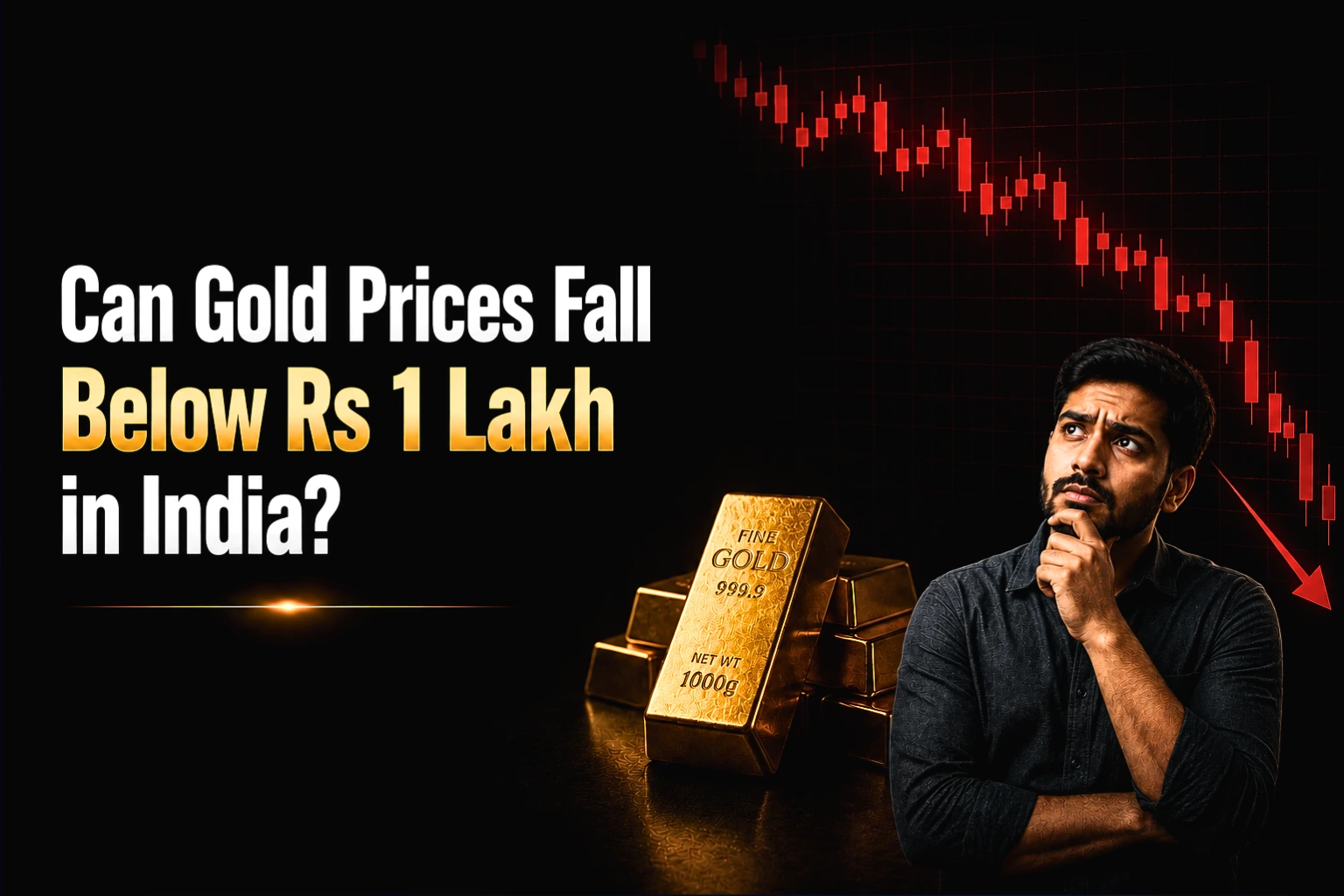
As of mid-June 2026, 24K gold is trading around Rs 1.43,000–1.48,000 per 10 grams, down significantly from its peak. This has sparked intense debate: Will gold prices fall below Rs 1 lakh? Is this a buying opportunity, or should investors wait for more correction?
In this comprehensive guide, we analyze the recent price action, reasons behind the slump, silver’s performance, expert opinions, historical context, and what it means for investors in India.
The Stunning Gold Rally and Sharp Pullback
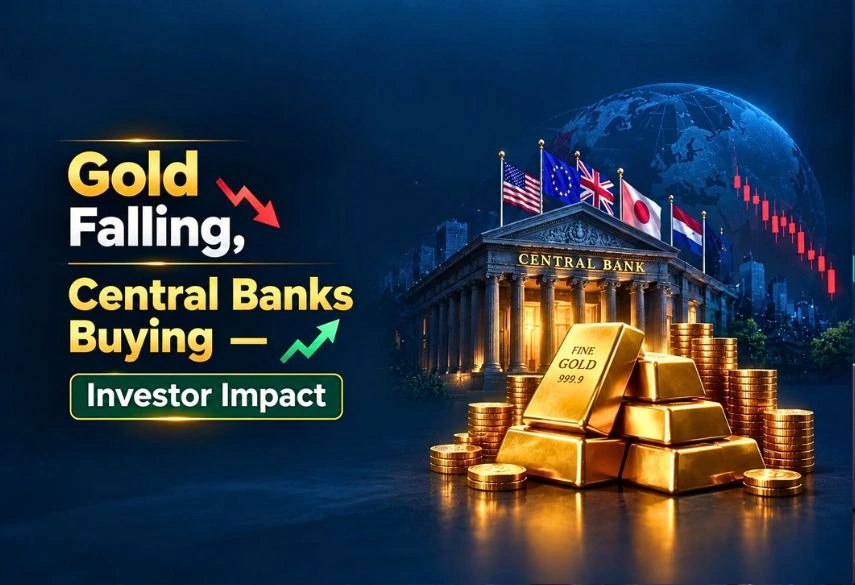
Over the last 18 months leading into 2026, gold delivered exceptional returns. Prices surged more than 100% in rupee terms, driven by global uncertainty, central bank buying, and strong demand from India and China. The peak around Rs 1.78 lakh per 10 grams in March 2026 marked an all-time high.
However, the correction has been swift. By June 12, 2026, prices had dropped to approximately Rs 1.48 lakh per 10 grams (24K), representing a decline of about 16.85% from the peak. On the Multi Commodity Exchange (MCX), August gold futures also reflected this weakness.
By late June 2026, prices slipped further in some reports, with headlines noting gold falling below the psychologically important Rs 1 lakh mark in certain contexts (though retail 24K rates hovered higher around Rs 1.43 lakh+ per 10g). Silver saw an even steeper correction.
Current Gold Rates India 2026 (as of late June 2026, indicative):
- 24K Gold: ~Rs 14,300–14,500 per gram (Rs 1.43–1.45 lakh per 10g)
- 22K Gold: ~Rs 13,100–13,300 per gram
These figures can vary by city and purity. Always check live rates from trusted sources like MCX or local jewelers.
Why Are Gold Prices Falling? Key Triggers
Several factors converged to trigger the recent sell-off:
1. Stronger US Dollar and Higher Interest Rate Expectations: A resurgent dollar made gold more expensive for foreign buyers. Hotter-than-expected US CPI data (4.2% YoY in May 2026) reduced hopes for imminent Fed rate cuts, increasing the opportunity cost of holding non-yielding assets like gold.
2. Easing Geopolitical Tensions: Reduced risks in the Middle East and other hotspots lowered safe-haven demand.
3. Profit Booking and Portfolio Rebalancing: Investors liquidated gold positions to cover losses elsewhere, leading to a liquidity-driven correction rather than a fundamental shift.
4. Domestic Factors in India: Higher import duties, subdued jewellery demand during certain seasons, and cautious consumer sentiment added pressure. Old-gold exchanges increased as buyers managed elevated prices.
Silver, with its dual role as an investment and industrial metal, experienced a sharper decline due to higher volatility and broader commodity weakness.

Historical Perspective: Has Gold Crashed This Hard Before?
Gold has seen significant corrections in the past:
- In 1964, following the Gold Control Act, prices crashed by around 35%.
- In 2013, amid Fed tapering, a strong dollar, and high import duties, prices dropped nearly 30%.
Despite these drawdowns, gold has delivered a compound annual growth rate (CAGR) of approximately 11.5% in rupee terms since 2000. An investment of Rs 1 lakh in 2000 would be worth Rs 18–20 lakh today. This long-term resilience underscores gold’s role as a portfolio diversifier and inflation hedge.
Expert Opinions: Will Gold Go Below Rs 1 Lakh?
Most analysts believe a fall below Rs 1 lakh per 10 grams is unlikely in the near to medium term.
- ICICI Bank Research: Expects gold to trade between Rs 1.5 lakh and Rs 1.8 lakh per 10 grams in 2026, indicating consolidation rather than a deep correction. They forecast international prices moving toward USD 4,800–5,000 per ounce by December 2026.
- World Gold Council & Goldman Sachs: More optimistic, projecting 20–30% upside potential, which could push domestic prices toward Rs 1.8–2 lakh by year-end in bullish scenarios.
- Global Bank Forecasts (2026): Major institutions like J.P. Morgan see gold averaging around $6,000/oz by end-2026 or higher, with others ranging from $4,900 to $6,300/oz. These levels would support strong rupee prices given currency dynamics.
Experts view the current dip as a healthy correction after a massive rally, not the start of a bear market. Structural drivers—central bank purchases (de-dollarization), persistent inflation concerns, and emerging market demand—remain intact.
Silver Market: Steeper Correction and Outlook
Silver has underperformed gold recently due to its industrial exposure. While gold fell, silver witnessed sharper losses on MCX amid broad commodity selling. Analysts note silver’s higher beta to market sentiment makes it more volatile.
Longer term, silver benefits from green energy demand (solar panels, EVs), but near-term pressures from interest rates and dollar strength persist.
Should You Buy Gold Now? Investment Strategies for 2026
Pros of Buying During a Correction:
- Lower entry point compared to recent highs.
- Festive season demand (Diwali, weddings) could support prices later in 2026.
- Long-term hedge against inflation, rupee depreciation, and geopolitical risks.
Risks and Considerations:
- Further near-term volatility if US rates stay higher or the dollar strengthens.
- Monitor global cues: Fed policy, US inflation, China/India demand, and geopolitics.
- Transaction costs, making charges (for jewellery), and storage/insurance for physical gold.
Smart Ways to Invest in Gold:
- Physical Gold: Coins/bars from reputed makers (lower making charges).
- Digital Gold: Platforms offering hassle-free buying/selling.
- Sovereign Gold Bonds (SGBs): Government-backed, with 2.5% interest + tax benefits.
- Gold ETFs / Mutual Funds: Stock market-linked, liquid, no storage issues.
- Gold Futures: For experienced traders on MCX.
Diversify: Don’t put all savings in gold. Aim for 5–15% allocation depending on risk profile.
Factors to Watch
- US Federal Reserve Decisions: Any dovish signals could boost gold.
- Rupee Movement: Weaker INR supports higher domestic prices.
- Central Bank Buying: Continued accumulation by emerging markets.
- Indian Festive Demand: Typically lifts prices in Q3-Q4.
- Global Economic Data: Inflation, growth, and trade tensions.

Conclusion
The recent correction in gold prices—from record highs down by thousands—offers a breather for buyers but does not signal the end of the bull run. Experts largely agree that a plunge below Rs 1 lakh is improbable, with most forecasts pointing to consolidation or renewed upside in the second half of 2026 and beyond.
Gold remains a timeless store of value in India, blending cultural significance with financial prudence. Whether you’re buying jewellery, investing for wealth preservation, or diversifying your portfolio, the current environment warrants careful evaluation rather than panic.
(Sources: www.goodreturns.in, www.businessworld.in, goldprice.org, m.economictimes.com)

DISCLAIMER: This blog is NOT any buy or sell recommendation. No investment or trading advice is given. The content is purely for educational and information purposes only. Always consult your eligible financial advisor for investment-related decisions.