In 2026, ETF investing is no longer a ‘beginner-only’ concept. Exchange-traded funds have proven to be an effective tool for long-term wealth creation, risk mitigation, and intelligent portfolio structuring. Whether you’re new to the markets, investing in equities, or buying and holding mutual funds, utilising Best ETF Investment Strategies 2026 will help transform the way you effectively accumulate wealth.
This guide will provide you with the means to understand ETF investment from the most basic level to the most complex. You will gain knowledge on what an ETF is, the reasoning behind their increased popularity in 2026, the various types of ETFs, their key benefits, and most importantly, how to formulate a smart ETF investment planin consideration of real market scenarios.
What is ETF Investment and Why is it Important in 2026
ETF investments entail investing in Exchange Traded Funds and mean that you are investing in funds that track an index, a sector, a commodity, a bond, or a specific group of assets and are traded on stock exchanges like shares.
In 2026, the importance of ETFs will only continue to grow, as the market is quicker, more unstable, and investors are looking for more low-cost, flexible, and transparent options. ETFs, unlike traditional mutual funds, allow for real-time buying and selling, more tax efficiency, and more visibility into one’s portfolio.
In addition, investors do want to track individual stocks. With one ETF, you are able to track 50, 100, or 500 companies.
What Makes ETFs so Good for 2026?
The greatest benefit of ETFs is the low costs. The expense ratios of ETFs are significantly lower than those of mutual funds. Over the long term, the difference in costs will create hundreds of thousands of pounds in difference in your portfolio.
Another very strong benefit is liquidity. This is important in the current conditions, and ETFs allow you to buy and trade freely whenever the market is open. In addition, ETFs are very clear and transparent. ETFs track and share their holdings daily, so you will never be surprised by where your money is.
ETFs keep risk in check by providing diversification. Instead of betting on one company, an ETF will give you exposure to multiple sectors, regions, or asset categories. This makes your portfolio more likely to withstand downturns in the stock market.
Different Types of ETFs Made Simple
To understand ETF investment strategies for 2026, one must start with the various types of ETFs.
Equity ETFs - Equity ETFs buy shares of companies and usually track an index. They may invest in an index that is large-cap, mid-cap, or small-cap, or a sector specific index. Equities are usually a good long-term investment that take advantage of economic expansions.
Bond and Debt ETFs - Bond ETFs buy government bonds, corporate bonds, or treasury bonds. These ETFs are good for providing stability, predictable income, and lowering the risk in your overall portfolio.
Commodity ETFs - Commodity ETFs invest in commodities like gold or silver. In 2026, commodity ETFs may be particularly relevant considering global inflation cycles, geopolitical instability, and currency competition.
International ETFs - International ETFs enable investments in other regions like the US, Europe, or developing countries. These ETFs provide global diversification and mitigate the risk of investing in a single country.
Thematic and Sector ETFs - This category of ETFs focuses on sectors and themes like technology, renewables, banking, and infrastructure. While the potential for returns is high, timing is crucial for success and the risks become elevated.
Best ETF Strategies in 2026 - Step by Step
Long-Term Core ETF Strategy
This strategy entails holding broad-market ETFs over a long period. The principle is simple: capture economic gains and ignore the noise in the short term. With global economies still growing, even with some volatility, this strategy is effective in 2026.
Investing in ETFs for the long term requires a high level of patience and a strong commitment to regular investing. The strategy is to stay invested for the long haul through the different economic cycles and let the compounding grow your returns.
ETF Strategy of Asset Allocation
This strategy integrates equity ETFs, bond ETFs, and commodity ETFs into one balanced portfolio. The idea is simple: provide a counterbalance in the portfolio. When equity market values decline, the bonds or commodities can counter.
ETF investment planning is critical in this strategy and is primarily dependent on age, risk tolerance, and financial goals. Younger investors can take on more risk with a larger portion of equity. Conversely, conservative positioning is achieved with a larger portion of bond ETFs.
Sector Rotation ETF Strategy
In 2026, the ability to predict which sector will do well has not changed. Factors such as interest rate changes and government policies will cause varying levels of success. Sectors of the company’s stock will perform differently due to the size of the company and global demand. ETFs give the ability to invest in the entire sector, allowing the investor to shift their investments to the more established sectors and away from the underperforming ones.
Investing in the stock market is associated with enormous risk, but with careful consideration, it can offer a good, low-risk return.
SIP-Based ETF Investment Strategy
One of the more advanced examples of ETF investment strategies in 2026 is implementing SIPs, or systematic investment plans. This is an approach to investing in which a specified number of units of an ETF is purchased at a specified interval.
Investing in a SIP reduces timing risk, smooths volatility, and builds discipline. SIP planning is especially beneficial for salaried employees and beginners.

How to do Smart ETF Investment Planning in 2026
Planning ETF investments for the future must begin with a goal. For what purpose are you investing: for your retirement, to create wealth, or do you have a short-term goal to achieve? Your goal will determine what sort of ETF you will invest in, how long you will invest for, and the level of risk you are willing to take on.
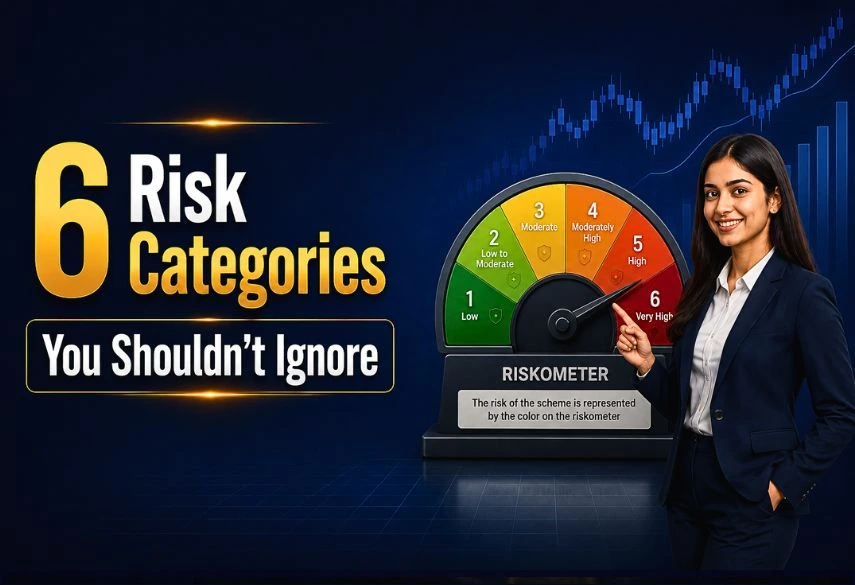
Next, you will need to consider what level of risk you are willing to invest in. On the surface, ETFs appear safe, but in reality, the equity ETFs can drop significantly in a bear market just like other stocks can. It is important to consider how much risk you can tolerate.
The time horizon is the next step. If your time horizon is long enough, you can afford to be more aggressive with your goals and ETFs. If your time horizon is shorter, stick to more stable ETFs, such as bond or liquid ETFs.
The final step is to ensure you review and rebalance your ETFs once or twice a year. Due to shifts in the market, your asset allocation can change over time. Rebalancing your ETFs allows you to maintain your risk and increase your potential returns over time.
Common ETF Investment Mistakes to Avoid
Investors often make the mistake of treating ETFs as if they were stocks. ETFs are not tradable and should not be treated as stocks. Refrain from overtrading, as it may increase costs and reduce your returns over time.
Investors often make the mistake of buying into a certain ETF without understanding the risks involved in that product. The more popular or in demand an ETF seems, the greater the risks can be.
Investors can also make the mistake of ignoring the tracking error and the expense ratios in the ETFs. Having even a small expense ratio can significantly impact your investments over the long haul.
ETF Investment vs Mutual Funds in 2026
Both ETFs and mutual funds serve a purpose, but when comparing mutual funds and ETFs, more control and lower costs lead to mutual funds being used less in 2026. Investors can look to ETFs for core portfolio construction, while mutual funds will serve to implement more actively managed strategies.
When it comes to long-term passive investing, the combination of more flexible costs and greater tax efficiency allows ETFs to outperform the competition more often.

Final Thoughts on Best ETF Investment Strategies 2026
Knowledge of ETFs is crucial for any investor looking to build portfolios in 2026. ETFs provide the best combination of hassle-free portfolio management while being flexible and cost-efficient.
By understanding different types of ETFs, the benefits of ETFs, and developing an investment strategy, investors will position themselves to construct portfolios that will withstand volatility and grow steadily.
The best ETF investment strategies in 2026 will not be based on market predictions. Rather, they will be based on building systems, staying consistent, and letting the power of compound interest do the rest. If you master ETFs today, you will build financial confidence for years to come.

DISCLAIMER: This blog is NOT any buy or sell recommendation. No investment or trading advice is given. The content is purely for educational and information purposes only. Always consult your eligible financial advisor for investment-related decisions.




.jpg)


. How does it work 71.jpg)