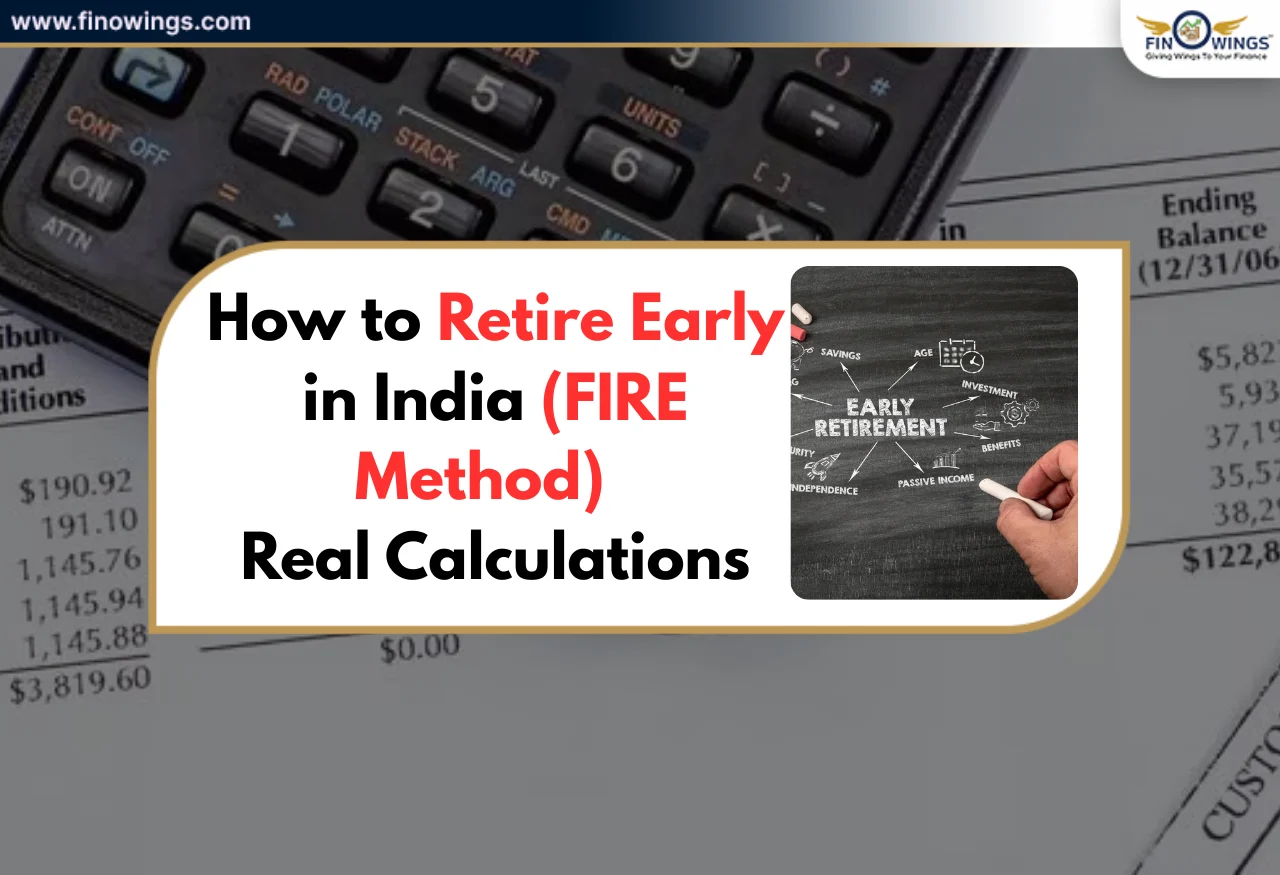
It is now possible to retire early, as young as in your 20s, with the FIRE method in India helping many quit their 9 - 5 jobs in their 30s and 40s and live life on their own terms. No longer dependent on work, the FIRE method focuses on fast accumulation of retirement corpus, creation of passive income streams, and effective money management. FIRE is an acronym for Financial Independence, Retire Early.
As my FIRE guide will explain, the first and foremost important components of any early retirement plan in India, the real corpus you need to retire is dependent on accurate real FIRE calculations, inflation rate, and rate of return on your corpus, i.e., your investments. If you seek to retire early India and want to know the roadmap to help you start today, this guide will help you immediately.
What Is the FIRE Method in India?
As of today, the FIRE method is an innovative lifestyle and investing technique designed to achieve "financial independence" prior to the conventional retirement age of 60.
The foundation focuses on three key aspects:
1. A significant percentage of income is to be saved and invested
2. Managing money in an intelligent and simple manner
3. Creating sources of passive income for the long run
The primary objective is to:
Create a capital/base → earn passive income → retire at an early age.

How Much Money Do You Need to Retire Early in India? (Real Calculation)
This is the genuine calculation for FIRE. Your number is relative to your yearly expenditures.
Step 1: Determine Your Annual Expenses
Example:
Monthly expenditure: ₹50,000
Yearly expenditure: ₹6,00,000
Step 2: Use the 25× Rule (The Global FIRE Rule)
The FIRE principle states that you should have 25 times your yearly expenditure as your retirement corpus.
Retirement Corpus = Annual Expenses × 25
Using the figures from the example:
₹6,00,000 × 25 = ₹1.5 Crore
This is your minimum target for FIRE. However, India has Higher Inflation. Hence we use the India-adjusted FIRE rule, which is 30× to 35× of your yearly expenditure.
Using 30×:
₹6,00,000 × 30 = ₹1.8 Crore
This is a more suitable target for FIRE in India.
Step 3: Incorporate Lifestyle Goals
Do you want:
-
Travel
-
Health buffer
-
Education for children
-
Home EMIs
-
Your FIRE number is going to increase.
Let's get a better estimate or a more realistic number.
Increase by a margin of 20%.
1.8 Crore 1.2 = 2.16 Crore
How Much Should You Invest Monthly? (Realistic Calculation)
Assume:
1. Time to retire early: 15 years
2. Expected return: 12% a year (SIP in index funds, equity mutual funds).
3. FIRE corpus target: 2.16 Crore.
Using SIP Formula:
Monthly Investment Should Be ₹35,000 to ₹40,000 a month
If you start early (at 25), the amount drops drastically; if you start late (at 35), the amount rises sharply.
Types of FIRE for Different Lifestyles
India has multiple versions of FIRE depending on spending.
1. Lean FIRE (Minimum expenses)
Corpus needed: 25× expenses
This is suitable for someone minimalistic.
2. Fat FIRE (Luxury lifestyle)
Corpus needed: 40× expenses
This is for people who want to travel, have bigger homes, and achieve children’s goals.
3. Barista FIRE
This is for people who don't want a fully passive life. All you need to do is earn a part-time income and invest aggressively.
4. Coast FIRE
This is when you invest early, stop investing once the corpus is set, and let compounding do the work.
Best Investments for FIRE in India
Choose the FIRE method that suits your goals, spending, and timeline. To retire early in India, the focus must be on growth assets. Not like FD returns.
1. Equity Index Funds
-
Low cost.
-
High return.
-
Perfect for long-term compounding.
-
This is your perfect core investment for FIRE.
2. Equity Mutual Funds
They are diversified.
They have a higher return potential.
Use for long-term wealth building.
3. Nifty 50 Index + Nifty Next 50
They have strong historical performance.
They have a good balance of stability + growth.
4. Public Provident Fund (PPF)
Adds safety.
Great tax benefits.
Supports long-term stability.
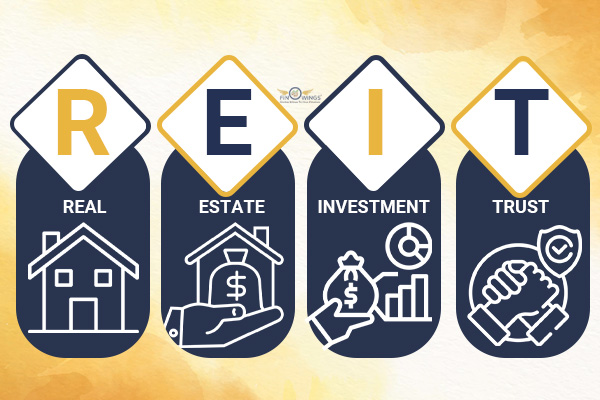
5. REITs & InvITs
Gives you regular passive income when you retire.
6. Rental Income & Side Businesses
Reduces dependence on market cycles
A balanced FIRE portfolio uses a mix of:
Equity + PPF + REITs + Passive income sources
Money Management Strategy for FIRE
To retire young, you must control your expenses.
Savings Strategy for FIRE:
-
Save 40%–60%of your income.
-
SIPs must be automated.
-
Avoid lifestyle inflation.
-
Temporarily cut expenses and invest the difference.
-
6–12 months emergency fund.
The more aggressively you save, the faster you will reach your FIRE goal of financial independence.
How to Stay Retired After FIRE
It’s one thing to reach FIRE. Staying retired is another.
Here are a couple of ways to tackle this:
-
Keeping purchase costs to a minimum.
-
Safe withdrawal rate to maintain balance (3-4%).
-
Two years of withdrawal expense as contingency/ liquidity.
-
70% active in Equities, 30% in fixed income (Debt).
-
Passive income gives light work to avoid burnout.
You are still working, it's just no longer mandatory work. Early retirement work balance still has employment and effort to a moderate degree.
Realistic FIRE Timeline Based on Monthly Savings
|
Monthly SIP |
Years Needed |
Corpus at 12% |
Likely to Achieve FIRE? |
|
₹10,000 |
25 years |
₹1.7 Cr |
Yes (Lean FIRE) |
|
₹25,000 |
20 years |
₹2.4 Cr |
Yes |
|
₹40,000 |
15 years |
₹2.2 Cr |
Yes (Active FIRE) |
|
₹75,000 |
10 years |
₹2.1 Cr |
Yes if frugal |

Final Thoughts
The FIRE method India is completely achievable if you combine disciplined investing with smart money management. The proper investment planning, SIP strategy, and lifestyle discipline can help you attain your FIRE number more quickly, regardless of your goals-early retirement in India, stress-free living or financial independence. For long-term success, identify your spending, figure out your desired retirement fund and maintain consistency.

DISCLAIMER: This blog is NOT any buy or sell recommendation. No investment or trading advice is given. The content is purely for educational and information purposes only. Always consult your eligible financial advisor for investment-related decisions.






.jpg)


. How does it work 71.jpg)