
Investors are once again heavily concerned about inflation as we near 2026. In the U.S., consumer prices are up in the 12 month period until February by a consistent 2.4%. Many economists are predicting higher prices due to tariffs, geopolitics, and positive supply chain pressure. In India, the newest data on retail inflation in the month of January is 2.75% and is predicted to be 4.3% on the fiscal year 27. Inflation, even when it’s low, diminishes the ability to purchase needed items with the money available. Savings become less and less valuable as time moves forward.
Smart investors have started to look toward inflation proof investments 2026. These types of investments, unlike the traditional “safe” investments, can actually grow in value faster than the price of inflation. With the right mix of inflation hedge assets, you are able to protect wealth from inflation. This is a part of a solid inflation investment strategy. This strategy is effective regardless of whether inflation is increasing quickly or more slowly.
This is what we plan to do in this guide. Explain 10 historically proven investment strategies, that when applied in any market, U.S, India and so on, help protect the customer from the level of threat that inflation imposes on the market.

Lasting Danger of Inflation in 2026
Aside from increasing grocery prices, inflation erodes the value of cash, bonds, and other fixed-income instruments. Losses in real terms, in the case of an inflation scenario where prices increase by 3–4% per year, will occur when the annual yield of a savings account is 2%. Higher costs of borrowing, in addition, act as an economic growth brake, which in the short term is bad for equities and real estate.
But assets operating in inflationary environments do exist. Positive real returns during prior inflationary periods inflation linked assets, inflationary pricing power investments, and real assets that appreciate in value perform well. The focus of an inflation investmentstrategy should be in the pre-inflation period.
An effective strategy requires investment in a variety of inflation hedge assets. No individual investment will reliably outperform inflation annually, but the 10 or so that will improve your odds of success significantly. The following are the best inflation hedge assets for 2026.
1. I Bonds (Series I Savings Bonds)
Keeping up with inflation is the name of the game with I Bonds. Pricing is set by the U.S. Treasury and is fixed and inflation variable. Fixed rates are around 0.90%, while the variable inflation adjuster rate can potentially double the fixed rate. Bonds issued from November 2025 to April 2026 average yield of 4.03%, which is above current inflation.
Education tax deferral and full government backing is excellent. Conservative investors are in luck since the options for protection are very limited. There are also scope limits with $10,000 electronic and $5,000 paper limits annually.
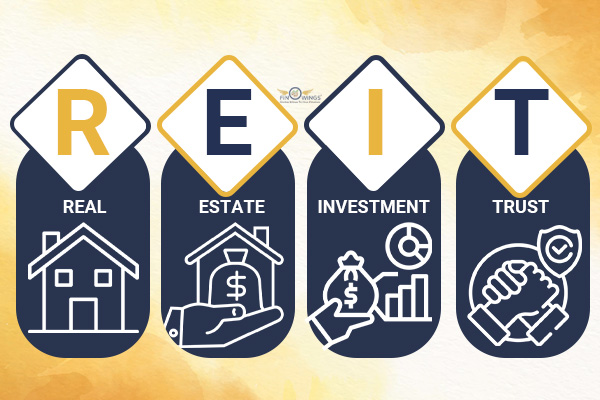
2. REITs (Real Estate Investment Trusts)
Real estate is a classic inflation hedgeasset. REITs (Real Estate Investment Trusts)enable you to own commercial real estate without opening your wallet to buy buildings, and as inflation rises, property values and rent prices increase, which REIT shares and dividends benefit from.
Increased diversification is a benefit of publicly listed REITs. In the near term, interest rate increases are a likely outcome of the current inflation environment, however, the increases in rent prices remain above the pre-existing inflation rates, making the underlying rental income a reliable source of cash flow. For investors in India, the same principles apply to listed domestic REITs on the NSE/BSE.
3. Commodities
Inflation increases costs of production and fuels demand for commodities such as gold, silver, oil, and agricultural and industrial metals. Therefore, commodities are one of the best investments during inflation.
In 2022, the gold commodity boom brought an increase as tenants of gold derivatives and ETFs cross country convert value. First-time sovereign gold ETFs in India approved gold as bullion and sovereign bonds, explaining the country's profitability.
4. Stocks with Pricing Power
Not all equities suffer in inflation. Companies that sell necessities, like consumer staples and car parts, can increase their prices without losing customers. Procter and Gamble, Advance Auto Parts, and Hindustan Unilever of India are prime instances.
These firms are core holders of inflation investment strategy due to their ability to rapidly adjust prices to sustain profits as costs increase. For several years to come, the outlook for brand-dominating businesses with inflation-adjusted prices is one of the most secure means to protect wealth from inflation.
5. High Yield Savings Accounts, CDs, and Money Market Funds
Cash is not dead in 2026. Online savings accounts, CDs, and money market funds, with rates still elevated, provide 3.5%+ yields in many markets. They provide liquidity, and a buffer while you look for better opportunities.
These accounts may not keep up with high inflation, but they do beat out traditional bank accounts and provide more options. That flexibility is an important element to keep in mind for your inflation proof investments 2026.

6. Consumer Staples, Utilities, and Insurance Stocks
People still need to buy toothpaste, pay for electricity, and get insurance. These sectors have steady demand, and they can raise costs to sustain profitability.
Walmart and utility companies (including the leading FMCG players in India) have been the best performers in inflationary periods. These defensive investments serve as a good foundation for best investments during inflation.
7. Stocks with Rock Solid Balance Sheets
When borrowing costs increase, the most cash and least debt companies do the best. A perfect example is Berkshire Hathaway, as he happens to also be in the position of earning interest income while buying up opportunities.
Strong balance sheets reduce risk and position a company to weather an economic storm. That is how you protect wealth from inflation with less volatility.
8. Direct Investment Properties (Rental Real Estate)
Owning rental houses or apartments is one of the most powerful inflation hedge assets- even direct ownership of a property is better than a Real Estate Investment Trust (REIT) because you retain all of the property's appreciation and enjoy all the property's tax benefits. Residential or commercial real estate property is a good safe haven investment in India, especially in developing cities. Direct investment in real estate anywhere in the world is an excellent hedge against the inflation of the currency in which the property is acquired.
9. Short-Term Bonds and TIPS
Out of all the bonds, long-term ones perform the worst in a rising interest rate environment. This is not the case with short-term Treasuries and TIPS (Treasury Inflation Protected Securities) because their principal is adjusted with the CPI. For a rising interest rate environment, short maturities (1-3 years) offer competitive yields. TIPS and other inflation-linked bonds offer safety at the expense of low returns.
10. Bank Stocks
During high-interest rate periods, banks, in general, perform better. Higher interest rates narrow the edge they earn from lending (known as the net interest margin) and increase bank profits, even if the demand for loans declines. Banks that are large and have a strong capital base and low-cost deposits have done well in previous periods of rising inflation.
Although they are not risk free, they do offer an additional stream of income and appreciation in value to an overall inflation investment strategy.
Developing an Investment Strategy Focused on Inflation for 2026 and Possible Further Horizons
Developing a successful inflation investment strategy is more about diversification than identifying a single successful investment. Consider:
- 20-30% in real assets (REITs, commodities, property).
- 30-40% in equities with conflict pricing and liquid.
- 10-20% in cash (I Bonds, TIPS, treasuries).
- 10-15% in cash equivalents for liquidity.
- The remainder in defensive sectors and gold.
For Indian investors, the above additions hold: sovereign gold bonds, equity mutual fund SIPs, & listed REITs (rupee-denominated growth investors, in gold).

Conclusion
Finally, historically broad stock market indices over the years 'positive' real market growth (inflation-adjusted) return set) have determined the equity mark-growth (inflation-adjusted) have ranged from 9-10% annually. Most importantly to stay invested and dampen short-term, uninvested (in equities) market erosion.
(Source: https://www.cnbc.com/2026/03/11/cpi-inflation-february-2026-breakdown.html )










.jpg)


. How does it work 71.jpg)