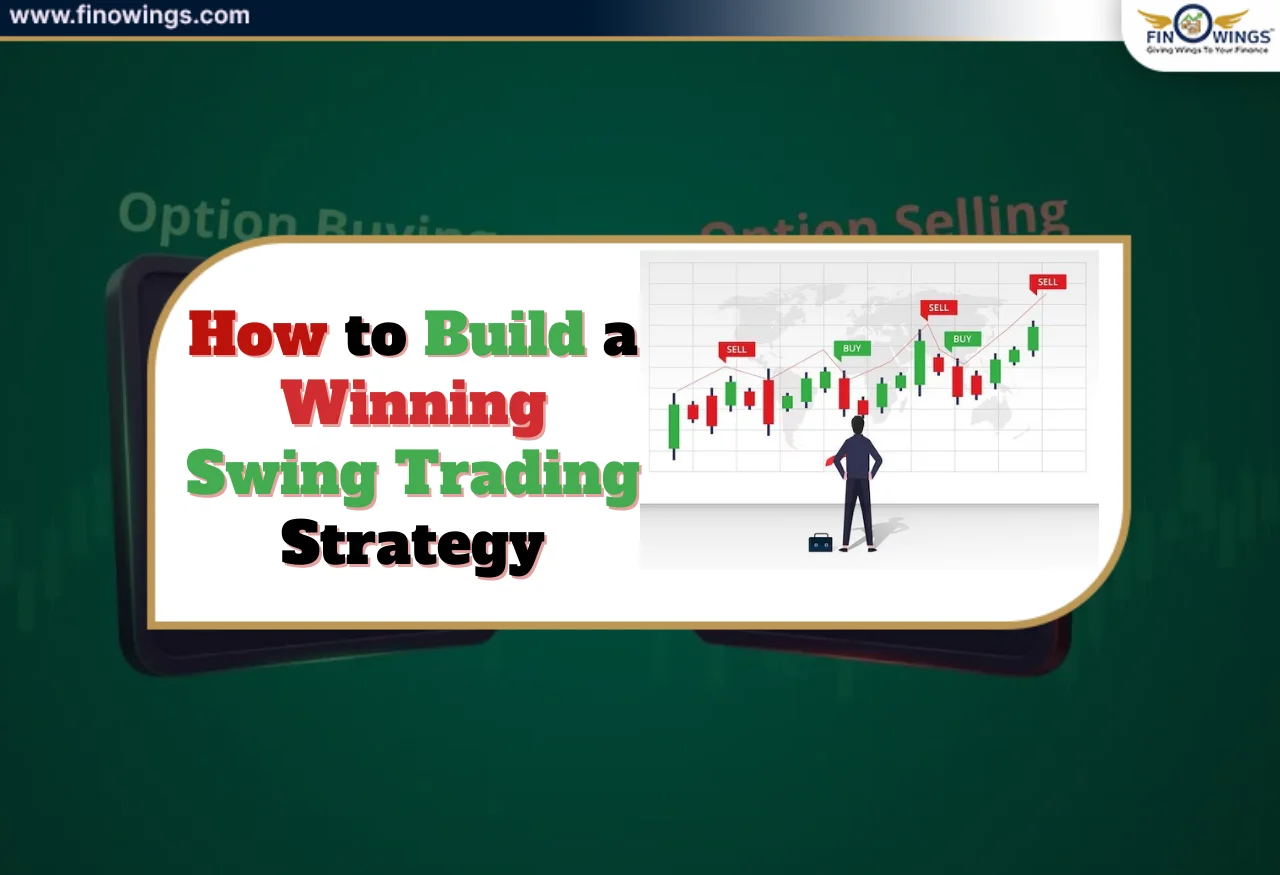
One of the main characteristics of Winning swing trading strategies is that they provide consistency in returns with a defined level of risk. This method is efficient because it doesn't require frequent monitoring of the charts, which is ideal for those who want to engage in short to medium-term trading.
This guide will discuss the foundational concepts of swing trading strategies. We will also provide practical tips specific to swing trading as well as a thorough, step-by-step method to guide you through swing trading for beginners. With that in mind, we hope to equip you with the necessary components to formulate an effective swing trading setup.
What Is Swing Trading?
Typically, in swing trading, the trader will open a position and leave it open for several days to a couple of weeks. They then aim to profit by capturing the price "swings" of the market within that time frame. Unlike intraday trading, swing traders enjoy other benefits, including:
- No constant market observations required
- More relaxed trading experience
- More rule-based and structured decision making.

Why You Need a Winning Swing Trading Strategy
It is not that swing trading doesn’t work; it is that most traders lose because they don’t have a strategy.
A winning swing trading strategy helps you:
- Avoid emotional decision making
- Define clear market entry and exit strategies
- Exercise loss control through risk management
- Remain consistent through different market scenarios
When there is no strategy, trading is just gambling.
Step 1: Choose the Right Market and Timeframe
When creating a swing trading strategy, it is crucial to establish where and how you’ll trade.
Best Markets for Swing Trading
Mid/large-cap stocks
ETFs
Liquid Futures
Cryptos
Ideal Timeframes
Daily chart→ identify trend
4-hour chart→ trade setup
1-hour chart→ refine entry
Daily and 4-hour charts are the most ideal for swing trading for beginnersdue to less market noise.
Step 2: Identify the Trend First
Trend is the backbone of any swing trading setup.
Golden Rule
Trade in the direction of the trend
The trend may be defined in the following ways:
- Higher Highs + Higher Lows = Uptrend
- Lower Lows + Lower Highs = Downtrend
- Moving Averages (20 EMA & 50 EMA)
Simple Rule
Price above 50 EMA = Look for buy setups
Price below 50 EMA = Look for sell setups
Trading in the direction of the trend increases probability while decreasing false signals.
Step 3: Use the Best Swing Trading Indicators
A professional swing trading strategy does not require many indicators—just the best ones.
Best Indicators for Swing Trading
1. Moving Averages (20 & 50 EMA)
- Confirmation of the trend
- Provides dynamic support and resistance
2. RSI (Relative Strength Index)
- Identifies momentum
- Averages buying in overbought zones
3. Support & Resistance Levels
- Provides high probability entry zones
- Enables clear stop-loss placement.
4. Volume
- Confirms the strength of price movement
- Be cautious of breakouts without volume.
Step 4: Build a High-Probability Swing Trading Setup
This is a simple and effective example of a swing trading setup that professionals use.
Pullback Strategy
Conditions:
Strong uptrend
Price pulls back to 20 EMA or support
RSI between 40–60
Volume reduces during pullback
Entry:
Buy when bullish candle forms near support
Stop Loss:
Below recent swing low
Target:
Previous high or risk-reward of 1:2 or 1:3
Winning setups require proper alignment with trend and momentum.

Step 5: Risk Management - The Most Important Rule
When it comes to swing trading strategies, risk management is the only unforgiving aspect.
Golden Risk Rules
- Risk only 1–2% of your trading capital per position.
- Always set up a stop loss.
- Never move your stop loss unless it is the trailing variety.
What is the Risk-Reward Ratio?
Minimum 1:2
Ideal 1:3
Example,
Risk: Rs. 1,000
Target: Rs. 2,000–Rs. 3,000
In this example, you will remain profitable even if you only win 40–45% of your trades.
Step 6: Position Sizing Builds Consistency
How many shares you buy depends on position sizing.
Formula:
Position Size = Risk Amount / Stop Loss Distance
With such a formula, your losses remain the same, whether the market is volatile or not, and this will set you up to win long term in swing trading.
Step 7: Swing Trading Tips to Avoid Common Mistakes
Here are practice tips that help protect against mistakes when swing trading.
- Trading too much
- Trading during economic news (it will cause market volatility)
- Trading breakouts (without confirmation)
- Trading too many strategies (learn to trade high-quality ones)
- Journaling trades
- Profitable traders only take 2-4 trades in a month.
Step 8: Psychology & Discipline
Swing trading is a mental game.
To stay profitable:
- Follow your trading plan
- Accept loss
- Avoid revenge trading
- Be patient during consolidation
An average strategy with discipline turns into a winning one.
Sample Winning Swing Trading Strategy (Summary)
Trend:
Price over 50 EMA
Setup:
20 EMA pullback or support
Confirmation:
RSI + support bullish candle
Risk:
1-2% per trade
Reward:
1:2 Minimum
This guide works on crypto, stocks, and indices.

Conclusion
Not having to spend excessive screen time or complicated indicators is one of the best parts of the swing trading strategy. A winning swing trading strategy has to be clear, consistent, and most of all, disciplined.
For swing trading for beginners, don't overcomplicate things.
- Trade with the trend
- Avoid complicated setups
- Cut losses quickly
- Focus on winning setups
With time and practice, swing trading can help you build wealth instead of draining you by becoming too stressful.
DISCLAIMER: This blog is NOT any buy or sell recommendation. No investment or trading advice is given. The content is purely for educational and information purposes only. Always consult your eligible financial advisor for investment-related decisions.

DISCLAIMER: This blog is NOT any buy or sell recommendation. No investment or trading advice is given. The content is purely for educational and information purposes only. Always consult your eligible financial advisor for investment-related decisions.