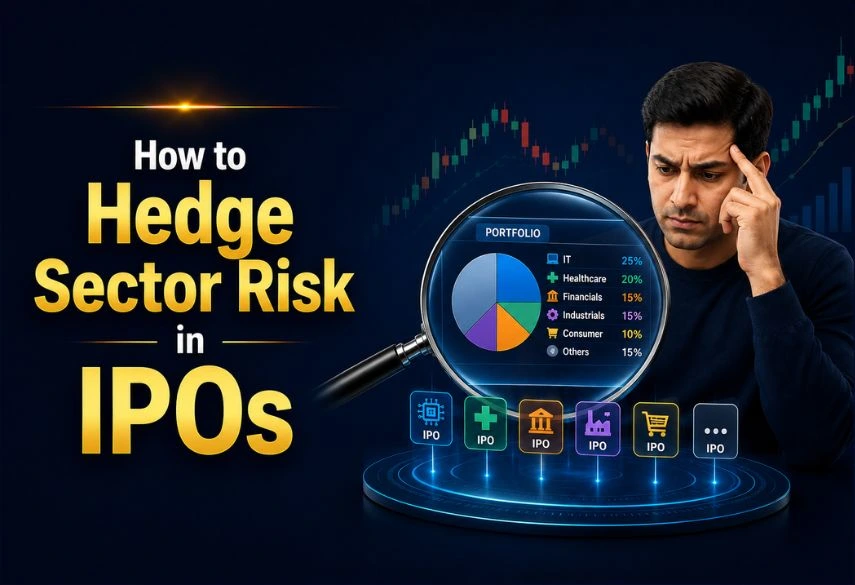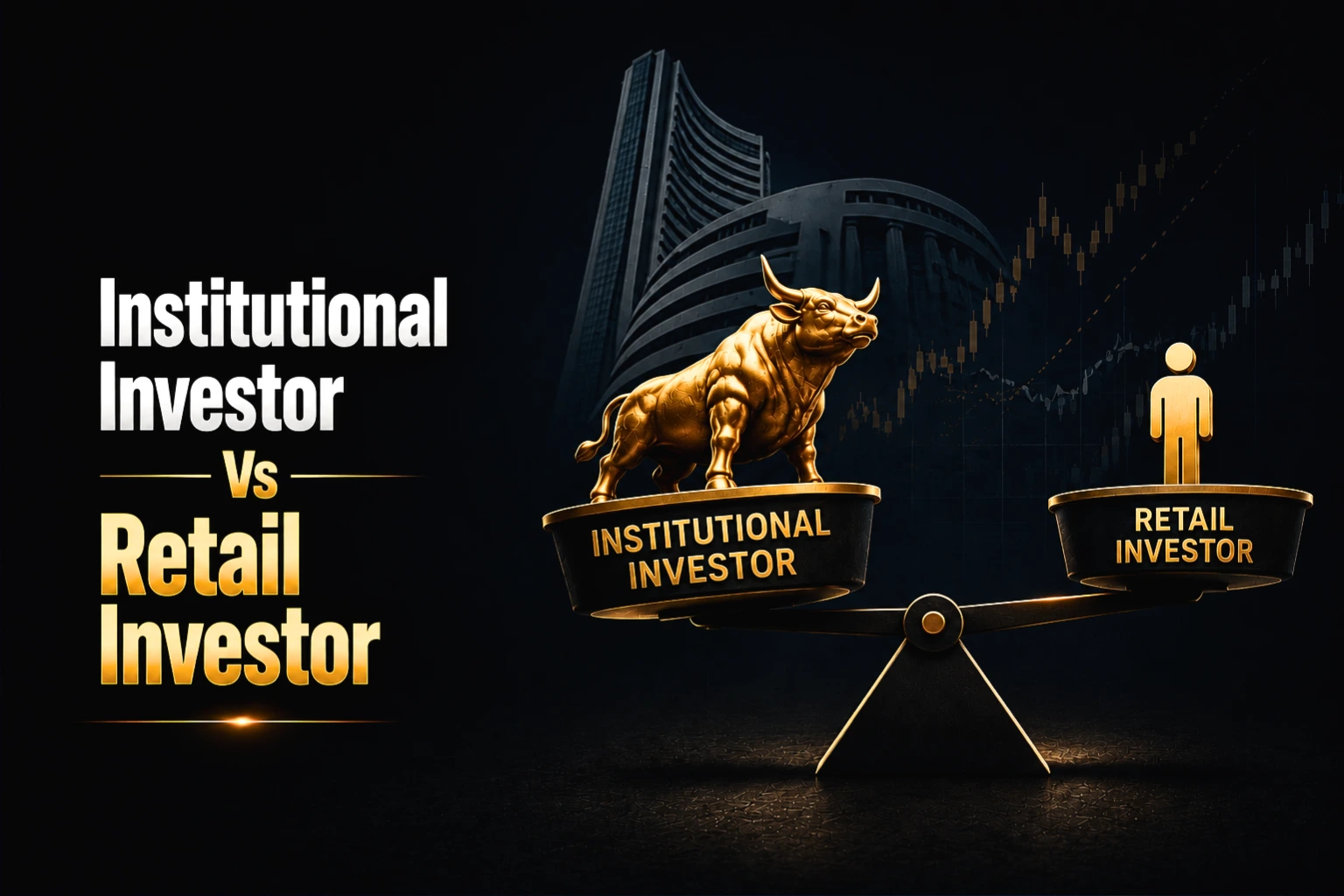
Adopt institutional thinking IPO by focusing on fundamentals, long-term value, and a professional mindset. Research the DRHP thoroughly, evaluate business quality, ignore short-term GMP hype, and invest only in strong companies you can hold. This smart investing approach helps retail investors avoid traps and build wealth steadily in India’s IPO market.
Imagine waking up to buzzing WhatsApp groups and X (Twitter) feeds full of “next multibagger” IPO talk. Your friends share screenshots of massive GMP (Grey Market Premium) and listing gain predictions. Heart racing with FOMO, you apply through your demat account on day one. A few weeks later, the stock corrects sharply. Sound familiar?
This is the reality for many retail investors chasing narrative-driven IPO excitement in India. On the other side are institutional investors — mutual funds, QIBs, and big players — who win consistently by sticking to disciplined smart investing. They don’t chase stories; they analyse the business.
In this beginner-friendly guide, we’ll explore why this happens through real stories, simple explanations, data tables, practical checklists, and tips tailored for the Indian market. You’ll learn how to develop institutional thinking and a professional mindset.
The Tale of Two Investors: Raj the Retail Trader vs. Priya the Institutional Analyst
Example- Raj is a salaried professional who loves scrolling finance forums and news for hot IPO tips. When a trendy food delivery or e-commerce company files its DRHP, he gets hooked on the story-based investing— “This will disrupt the industry forever!” He applies in the Retail Individual Investor (RII) category, driven by sentiment influence and listing gain dreams.
Priya works with a mutual fund or institutional desk. Her team reviews the full DRHP/RHP, attends roadshows if possible, assesses financials, and bids strategically in the QIB category. Institutions get better allocations and focus on sustainable value, not just hype. Raj often faces lottery-based allotment and sells on volatility. Priya’s team holds quality picks longer. Over time, the professional approach wins.
How IPO Allocation Actually Works in India
India follows a book-building process regulated by SEBI. Companies file a Draft Red Herring Prospectus (DRHP) with SEBI, which is reviewed before the final Red Herring Prospectus (RHP) and price band are set. Investors bid within the price band, and the final issue price is discovered based on demand.
Key Investor Categories and Quotas (Standard Book-Building for Profitable Companies):
- Qualified Institutional Buyers (QIBs): Includes mutual funds, banks, insurance companies, and foreign institutions. Up to 50% of the issue is reserved for them. They get proportionate allotment and play a big role in price discovery. Anchor investors (a subset of QIBs) often bid early at or above the floor price for stability (minimum ₹10 crore application).
- Non-Institutional Investors (NII / HNIs): Applications above ₹2 lakh. At least 15% reserved. Proportionate allotment.
- Retail Individual Investors (RII): Applications up to ₹2 lakh. At least 35% reserved. Allotment via lottery if oversubscribed. You can bid at the cut-off price for better chances.
Book-building helps discover a fair price through bids. Oversubscription in retail often leads to lottery luck, while institutions get more reliable access. This explains why big players have an edge.
Why Institutions Get the Edge: Professional Mindset in Action
- Better Information and Access: Institutions review detailed DRHPs early and participate via anchors or large bids. Retail relies on public buzz and sentiment influence.
- Favourable Allocations: QIBs often secure larger portions in quality issues. Retail gets lottery in oversubscribed, hyped IPOs.
- Discipline Over Emotion: Institutions focus on fundamentals and long horizons. Retail chases narrative-driven IPO stories fueled by social media and GMP.
- Patience: They hold through volatility; retail often books quick listing gains or panics on corrections.
The Hype Cycle: Narrative Driven IPOs and Sentiment Influence
Companies and bankers craft compelling stories — “India’s next unicorn!” This story-based investing creates buzz. High subscription rates and GMP drive first-day excitement, but many IPOs correct when fundamentals matter. Retail, influenced heavily by sentiment influence, jumps in late.

Data Speaks: Institutional Wins vs Retail Reality
Historical data shows IPOs often deliver strong listing pops but mixed long-term results. Jay Ritter’s long-term U.S. studies (adaptable insights) show many IPOs underperform the market 3 years out after the initial return. In India, similar patterns appear in new-age listings.
IPO Performance Snapshot:
|
Metric |
Institutional/QIB Advantage |
Retail Outcome |
Notes |
|
Allocation |
Proportionate, larger in quality deals |
Lottery in oversubscribed IPOs |
35% retail quota is typical |
|
Listing Gains |
Secured via anchors |
High volatility, depends on GMP |
Varies widely |
|
1-3 Year Performance |
Better selection of fundamentals |
Many underperform market |
Long-run underperformance common |
|
Sentiment Impact |
Less swayed |
Strong negative correlation in the long term |
Retail drives hype |
Real-World Examples with Numbers
Zomato (2021): Issue price ₹76. Listed at the ₹115-138 range (strong ~50-80% listing gain). Backed by a strong growth narrative. Long-term: Significant gains from lows as the business scaled, rewarding patient investors.
Nykaa (2021): Issue price ₹1,125. Listed at ₹2,018 (+79% listing gain) amid massive hype. Later corrected significantly from highs (down ~50% at points from peak) as valuations met reality.
Paytm (2021): Issue price ₹2,150. Listed lower (~-9%). Struggled with profitability and regulations; heavy losses for many retail holders chasing the story. Institutions that were selective fared better.
These show narrative-driven IPO excitement vs. fundamentals.
IPO Analysis Checklist: Think Like Institutions
Use this practical, beginner-friendly checklist before applying:
- Revenue Growth: Is it consistent and scalable?
- Profitability: Path to profits or improving margins? Avoid perpetual loss-makers unless the story is compelling.
- Debt Levels: Manageable debt or high leverage?
- Cash Flow: Positive operating cash flow?
- Valuation vs Peers: Reasonable compared to similar companies?
- Promoter/Management Quality: Track record of execution and governance?
- Use of IPO Proceeds: Clear plan for growth, debt repayment, or just dilution?
- Risk Factors: Read the DRHP risks section carefully (competition, regulations, etc.).
- Lock-in/Lock-up Expiry: Watch for promoter/investor selling post-lock-in.
- Industry Outlook: Positive long-term trends?
Investor Protection: SEBI’s Guidance
SEBI emphasises reviewing all risk factors in the DRHP/RHP before investing. IPOs are high-risk; only invest money you can afford to lose. Official SEBI investor education resources stress understanding the business, not just hype. Always verify claims against financial disclosures.
How to Build Institutional Thinking IPO
- Read the full DRHP/RHP on SEBI or exchange sites.
- Focus on smart investing fundamentals over GMP.
- Apply only in strong companies; skip most.
- Diversify and hold quality picks long-term.
- Ignore daily sentiment influence; track quarterly results.
- Start small and learn from past listings.
Common Retail Mistakes (and Fixes)
- Chasing every IPO → Limit to 1-2 researched ones.
- Buying on listing day hype → Wait if overvalued.
- Ignoring risks → Always check the checklist.

Conclusion
The IPO market rewards institutional thinking, IPO calm analysis, and smart investing over story-based investing and sentiment influence. By shifting to a professional mindset, reading DRHPs, using the checklist, and focusing on real value, Indian retail investors can move from chasing hype to making informed decisions.
(Sources: SEBI, Bajaj Finserv, Finance Yahoo, Trading View, NISM)

DISCLAIMER: This blog is NOT any buy or sell recommendation. No investment or trading advice is given. The content is only for educational purposes. Always discuss with your SEBI-registered financial advisor for investment-related decisions.