SEBI New Regulations On Mutual Funds
The Indian Mutual Fund industry is on the cusp of a new chapter. As the industry continues to attract first-time investors, the need for transparency is critical. Investment management companies (IMCs) are experiencing an unprecedented surge in both the number of investors and the Assets Under Management (AUM), both of which have hit record highs. Building on this momentum, the SEBI has proposed new reforms aimed at improving the level of trust mutual fund investors have in the industry and the disclosures that accompany the investments.
These guidelines, like most other guidelines, do not involve only idiosyncratic changes. These guidelines are likely to represent a new direction in not only how mutual funds are managed and what is reported to investors, but also how funds are communicated to investors and other stakeholders.
Investors planning long-term wealth creation through index funds can also explore SIP planning strategies and estimate future returns using a SIP Calculator before investing in NFOs or mutual funds.
In terms of expense management, disclosure transparency, portfolio disclosure, and, in some cases, accountability of the fund to the investors, the industry has taken a number of steps to ensure that the investors know how their money is being spent. The outlines of the newly implemented SEBI mutual fund updates, how these updates improve clarity, and the impact these updates have on fund houses and investors in relation to mutual fund regulations in India remain the focal point of the discussion in this article.
Why Has SEBI Taken Action?
Within the decade, mutual funds have developed into a sophisticated financial product; the gradual rise of Systematic Investment Plans (SIPs) and the growing popularity of equity-based mutual funds as long-term wealth transformers have contributed to this transformation. With this expansion, the market has also begun to reveal its weaknesses.
The complexities of the market left investors confused over expense ratios, hidden costs, portfolio turnover, and risk. Fund performance may have looked appealing, but the risks of the fund were not properly communicated. Disclosures, which funds needed to communicate from a compliance perspective, were still, in many instances, poor, and investors had little to no ability to interpret these disclosures.
There was also a growing discontent in the industry due to poor marketing. With these issues in mind, the regulations were designed to promote clear marketing, better disclosures, and better alignment of the interests of investors and fund houses. These updates are intended to address the marketing-led approach and shift to an information-based approach.
What are the updates from SEBI intending to achieve?
There are three primary objectives of these regulations:
- To begin with, investors should be aware of what they are being charged for roughly. SEBI wants expense ratios, commission, and even indirect costs to be easy to understand and not hidden in fine print.
- Secondly, the regulator prioritises a clear explanation of risk. There should be no surprises concerning the volatility or drawdowns that were not previously discussed.
- Lastly, accountability. Fund managers have to explain why they do what they do. These guidelines are the foundation of the new SEBI mutual fund transparency policies.
More Frequent and Stricter Disclosure of Expense Ratios and Other Costs
The new SEBI mutual fund rules have the most significant impact in the area of costs. There are new guidelines concerning the disclosure of ratios and expenses. While expense ratios were previously disclosed, a new focus in these guidelines is focused on cost transparency.
To ensure maximum simplicity, fund houses are now required to implement standardisation in their expenses. In this way, investors will be able to make comparisons in a less complicated way. Fund houses are now required to clearly and promptly communicate any changes in their expense structures.
These changes especially benefit long-term investors. The difference made to expense ratios might seem small at first. Over 10 to 20 years, however, this difference can grow to a considerable amount. Rule changes made by SEBI ensure that investors do not have to depend on previous returns to make their own decisions about disclosures.
More Portfolio Transparency and Reporting
Another significant impact of the reforms is how often and how thoroughly mutual fund companies report their portfolios. The recent changes to mutual fund regulations in Indiahave required that these companies report more frequently and in greater detail to investors.
Investors can now assess their portfolios to a greater degree by determining how much they have in a given sector, as well as their stock, credit, and derivative (or structured instrument) concentration. This is most significant to investors in hybrid and debt funds, as well as thematic equity funds, who may often suffer hidden risks in stressed markets.
SEBI wants investors to know they are taking a risk, not after a negative outcome.
More Accurate Risk Labelling and Suitability of the Product
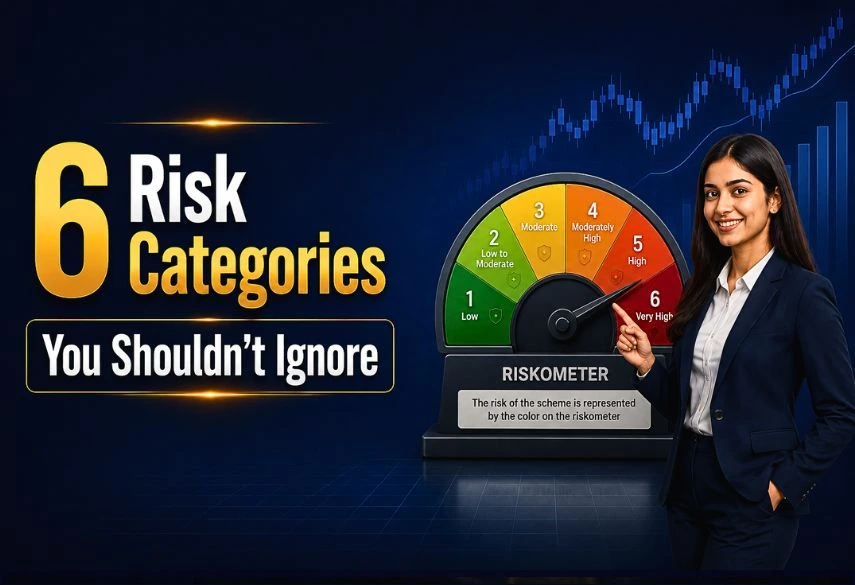
For some time, the Risk-o-meter has been in use; however, SEBI has increased its use and interpretation to all subordinate levels. The risk labels are expected to convey the true risk of the investment as opposed to the risk that may exist in the objectives of the fund.
When a fund increases its bets on specific sectors, adding a more aggressive risk exposure, its risk profile for such funds would need to be updated. This would increase SEBI mutual fund transparencyas it would become harder for funds to employ aggressive strategies behind conservative branding. This means the risk appetite of the investors would become better aligned with the selection of the funds.
Accountability of Fund Managers and AMCs
The focus of the new SEBI guidelinesbrings a renewed focus on accountability. Fund managers need to follow the scheme’s stated mandate. Consistent style drift and uncontrolled deviation can bring regulators into the decision stream.
This change encourages an effective governance framework. It emphasises the principle that investors should receive more than just a return on their money; they should receive a disciplined, reliable, and predictable process from the fund managers and AMCs.
AMCs have to be more effective with their internal controls, document their processes more diligently, and monitor their compliance more closely to ensure that transparency is more than just an external focus.
Impact on Investors: What Changes for You?
These more recent SEBI updates will be appreciated by retail investors as their clarity will improve. They will receive detailed information related to the costs, risks, and composition of the portfolios to help them conduct their comparative fund analyses and plan their investment strategies.
The new framework also discourages the occurrence of mis-selling. Advisors and distributors are required to align their recommendations more with the product-related risks and suitability. This will, in the long run, enhance investor experience and reduce churn caused by short-term performance chasing.
In particular, long-term investors will benefit the most from this. Transparency will enhance discipline, and discipline is the bedrock of creating and sustaining wealth.
Effects on the Mutual Fund Industry and Fund Houses
From the perspective of the industry, the bar for compliance has certainly been raised. Fund houses are required to channel resources toward enhanced reporting, the articulation of simpler processes, and the establishment of more robust governance systems.
That said, this is not a bad thing. More transparency fosters more trust. In a market where trust is in short supply, transparency will foster a stronger competitive advantage. Fund houses that are more transparent will, over time, build a more loyal and more educated investor base.
The reforms also foster responsible product innovation. Fund houses are no longer motivated to offer complex products that are primarily sellable from a marketing point of view, but rather are motivated to create and offer schemes that sell themselves based on the purpose, risk, and return expectations of the product.
How These SEBI Reforms Fit Into India’s Financial Evolution
India’s fast-evolving financial markets have shown deep retail participation, improved financial literacy, and enhanced access to digital services. The regulatory framework needs to evolve in tandem to keep pace. The most recent updates to SEBI mutual fund rulesshow a positive trend in the adoption of global best practices in the mutual fund industry.
Leading mutual fund markets across the globe focus on practices related to disclosure, suitability, and fund governance. Considering the unique challenges that investors in India face, the tightening of mutual fund rules by SEBI provides a global template for addressing the issues investors face locally and creating a more streamlined investment ecosystem for India.
Such updates enhance the global standing of India as a transparent and trustworthy place to invest.
What Should Investors Do Now?
Just the implementation of rules is not sufficient. Investors now have the responsibility of fully utilising the information that is made available to them. Now is the time to review scheme documents, grasp the concept of expense ratios, and understand the importance of aligning investments with a time horizon.
The increased transparency assists in posing the right set of questions, and questions are the first step to instilling confidence in an investor.
Conclusion
The latest SEBI updatesare a milestone in mutual fund regulation in India. Eased disclosure, increased regulation of accountability, and emphasis on investor comprehension have increased the fundamental trust on which the mutual fund industry operates.
More than a regulatory change for the industry, this is an opportunity for investors to have confidence and more clarity when making investment decisions.












.webp "growth-vs-idcw-mutual-fund")