NFO
Upcoming NFO
Mutual Fund
Recent Blogs
.webp)
Mutual Fund | 01-10- 2026
Growth vs Dividend (IDCW): Whi...
Confused between Growth and IDCW options in mutual funds? Compare reinvestment, payouts, NAV impact and taxation to choo...
Continue Reading
Mutual Fund | 30-09- 2026
What Is a Benchmark Index in M...
Learn what a benchmark index in mutual funds is, how it's used to measure fund performance, and why comparing returns ag...
Continue Reading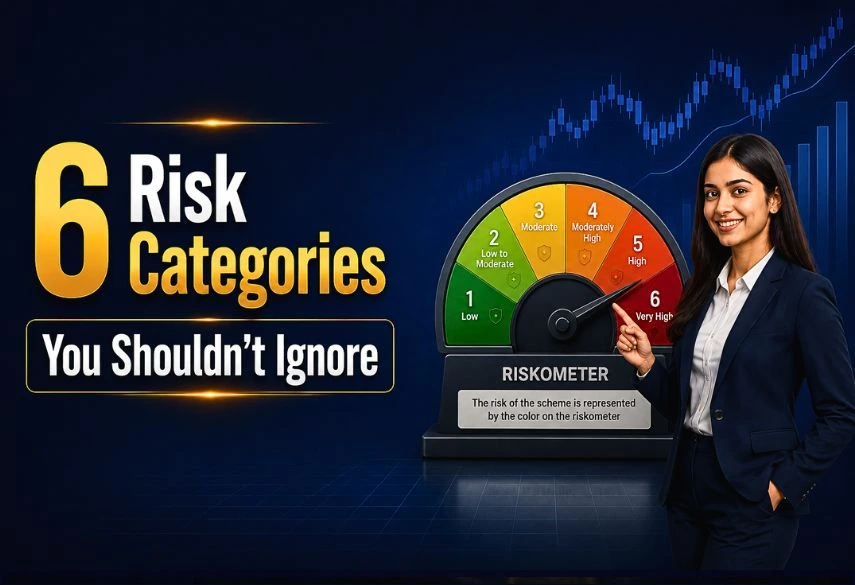
Mutual Fund | 15-09- 2026
Riskometer in Mutual Funds: 6 ...
Understand the riskometer in mutual funds and its 6 risk categories — from Low to Very High — to assess risk levels ...
Continue Reading
Mutual Fund | 01-09- 2026
Mutual Fund Distributor vs Dir...
Confused between mutual fund distributor and direct investing plans? Compare costs, returns, and guidance to choose the ...
Continue ReadingFrequently Asked Questions
+
The procedure by which a mutual fund first makes units of a new scheme available to the general public is known as a New Fund Offer (NFO). Investors may purchase scheme units at the face value of the units, which is typically Rs. 10, during the NFO period. An NFO's goal is to raise capital from investors in order to make investments in particular industries or asset classes. Mutual funds can introduce new products and broaden their product offerings through NFOs.
+
The chance to subscribe to the scheme is only offered for a short time in a fresh fund offer. During the predetermined period, investors have the option to purchase units of the mutual fund scheme and subscribe to the NFO at the offer price. Usually, this is set at Rs 10. Investors would be entitled to buy fund units at the designated price once the tenure ends.
+
It depends on your financial objectives, risk tolerance, and the investment theme and goal of the NFO. It might be a wise investment if the NFO fits your demands and has a solid fund manager and track record. On the other hand, well-established mutual fund schemes with reduced fee ratios and a history of reliable performance may also be a safer choice.
+
Investing directly with the mutual fund house or through a broker is one way to take part in an NFO. You can send in the application, the necessary paperwork, and the investment amount. An NFO's subscription period typically lasts a few weeks.
+
Fund to fund, the minimum investment amount for an NFO might be as little as Rs. 100 or as high as Rs. 5,000. Additionally, certain funds could have a minimum investment requirement for further purchases. Prior to making an investment in an NFO, it is crucial to ascertain the minimum investment amount.