People see the stock market as the place where traders buy and sell shares for profits. However, the stock market's purpose is way more than just daily price fluctuations or short-term trading. The stock market is an instrument for economic growth, expansion of businesses, creation of new wealth, and financial system stability.
The goal of the stock market, its primary functions, and the significance of having a stock market that functions in a developing economy will all be covered in this article. This essay is intended to provide you with the necessary knowledge in an understandable manner, whether you are a novice stock market investor or are simply interested in learning how the stock market operates.
What Is The Stock Market?
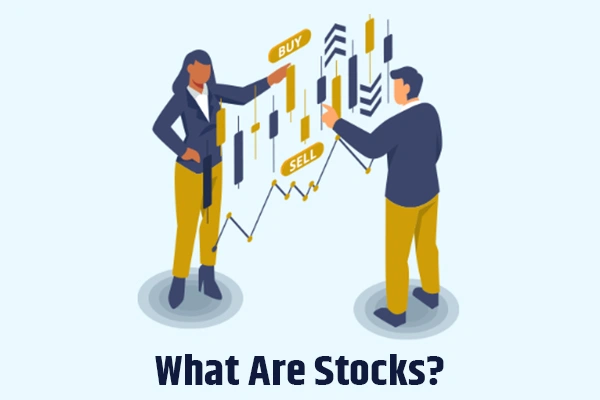
We must first comprehend what the stock market is in order to comprehend its purpose. A company's publicly traded shares are issued, purchased, and sold on a stock market. Purchasing a company's shares makes you a partial owner of that business.
The stock market connects people who wish to invest and boost their savings with businesses that need to raise money. The stock market connects companies seeking capital with individuals looking to invest.

Stock Market Objective: Overview
The stock market objective is to facilitate and encourage economic growth by allowing businesses to obtain capital and providing investors with returns on their investment. It achieves this by:
- Enabling business expansion.
- Fostering public involvement in asset generation.
- Enhancing capital distribution.
- Promoting creativity and business ownership.
- Bolstering the economy as a whole.
Now let’s examine each of these purposes.
1. Business Capital
The stock market’s primary business capital purpose is securing financial resources for the business.
How It Works:
A business requires funds to grow its operations, launch new services, or penetrate new markets. Instead of defaulting on a business loan, companies choose to issue shares on the stock market to the public.
This approach:
-
Decreases reliance on financial institutions.
-
Offers enduring financial resources to businesses.
-
Enhances a company’s financial status.
-
This is a primary purpose of the stock market: strong companies build a strong economy.
2. Investor Wealth Building
Nevertheless, one of the best functions of the stock market is its ability to help people build wealth.
- As companies expand and become profitable.
- Stock prices go up.
- Investors experience capital gains.
- Dividends offer a consistent cash flow.
Stock markets have, on average, provided better long-term returns than typical savings accounts. Because of this, stock markets are a crucial aspect of long-term financial planning.
3. Savings and Investments
The stock market motivates people to invest and save rather than sit on cash.
Importance:
- Uninvested money does not contribute to economic growth.
- Invested money allows companies to grow and contribute to the economy.
- Savings become new capital that can be used productively.
- This explains the stock market function of converting personal savings into economic growth.
4. Companies Valuation
One of the fundamental functions of the stock market is price discovery. Stock prices are a function of:
- Company success.
- Market supply and demand.
- Economic environment.
- Investor sentiment.
This means,
- Companies can be valued transparently.
- Companies receive feedback on how they are doing.
- Capital is allocated efficiently.
This means that companies and investors both benefit, as accurate company valuations lead to better economic decisions.
5. Liquidity for Investors
An investor's ability to buy or sell an asset is called liquidity.
The stock market provides liquidity to investors by:
- Providing an easy way to enter or exit the market.
- Offering the ability to quickly turn shares into cash.
- Offering the ability to minimise the risk of the investments made.
- Buy and sell opportunities in the stock market is an essential aspect of investor confidence and liquidity.
6. Economic Growth
The stock market plays an essential role in economic development. When the stock market is functioning optimally, it:
- Finance the construction of critical infrastructure.
- Stimulates the growth of industries.
- Promotes the creation of new ideas and technologies.
- Generates new jobs.
Economically advanced nations are the ones that have well-functioning stock markets.
7. Enhances Corporate Governance
Companies that are publicly traded must abide by the rules of disclosure, auditing, and reporting. This enhances:
- More transparency.
- Greater accountability.
- Improved ethical business conduct.
Protecting the interests of investors is good governance and also strengthens public confidence in the financial system. This is an indirect, yet important, purpose of the stock market.
8. Distribution of Risk
The stock market enables risk to be distributed and shared among millions of investors instead of being concentrated in one place.
How Risk Is Managed
- Investors diversify across sectors.
- Companies spread ownership.
- Economic shocks are absorbed better.
- The financial system becomes more stable and efficient with this risk-sharing model.
9. Encouraging Entrepreneurship and Innovation
Startups and scaling companies rely on stock markets to grow their business ideas. The stock market's purpose in this case is:
- Providing growth capital.
- Rewarding innovation.
- Supporting new business models.
When entrepreneurs are aware that they can easily access funds, they tend to take more risks and innovate.
10. Indicator of Economic Health
The economy and stock market are inextricably connected. Stock market activities show:
- How confident are people?
- How optimistic are people about the economy?
- How do they view the prospect of business growth?
Analysing stock market trends gives governments, policymakers, and institutions insight into the economy. This highlights the broader role of the stock market beyond investing.
Summary of Key Functions of The Stock Market
These are the primary functions of the stock market:
- 1. Capital formation.
- 2. Price discovery.
- 3. Liquidity provision.
- 4. Risk distribution.
- 5. Wealth creation.
- 6. Economic development.
- 7. Corporate governance improvement.
Together, they build and maintain economic stability in the long run.

Various Stakeholders and Their Benefits from the Stock Market
Companies
- Access to funds.
- Increased exposure.
- Enhanced reputation.
Investors
- Increased potential for returns.
- Equity stake in companies.
- Diversified investment.
The Economy
- Economic Balanced Growth.
- Enhanced productivity.
- Creation of new jobs.
These are stock market benefits that exemplify the importance of stock markets in today's economies.
Why Are Stock Markets Important?
- It links finance and creativity.
- It turns savings into investments and converts those investments into growth.
- It promotes innovation.
- It fosters financial responsibility.
- It promotes growth for all economic classes.
A stock market is essential for sustainable growth, especially in the 21st century.
Misconceptions About The Stock Market
- Investing is gambling.
- Investing is only for the wealthy.
- Investing is excessively risky.
- These are the misconceptions of investing.
- With investing, the biggest risk can be losing to time.
Small investors can start with next to nothing and still be considered investors. Investing is more about knowledge, strategy, and planning than it is about luck. This is the stock market's purpose. Understanding the stock market's purpose helps demystify the misinformation surrounding the stock market.
Role of Stock Market in Personal Financial Planning
The stock market is primarily used by companies and governments, but it also impacts individuals significantly. The stock market is used by people to:
- Create retirement savings.
- Reach long-term financial goals.
- Outperform inflation
- Become financially independent
- Because of this, the stock market may also be a very effective tool for personal development.
Conclusion
The stock market is used for much more than just buying and selling shares. It is the foundation of contemporary economic systems. The goal of the stock market affects every aspect of the economy, from generating income and capital to fostering innovation and economic stability.
Investors can make well-informed decisions and recognize the importance of the stock market in daily life by comprehending its operations, advantages and role. Not only does a robust stock market attract investors, but it also strengthens economies, businesses, and everyone's financial future.