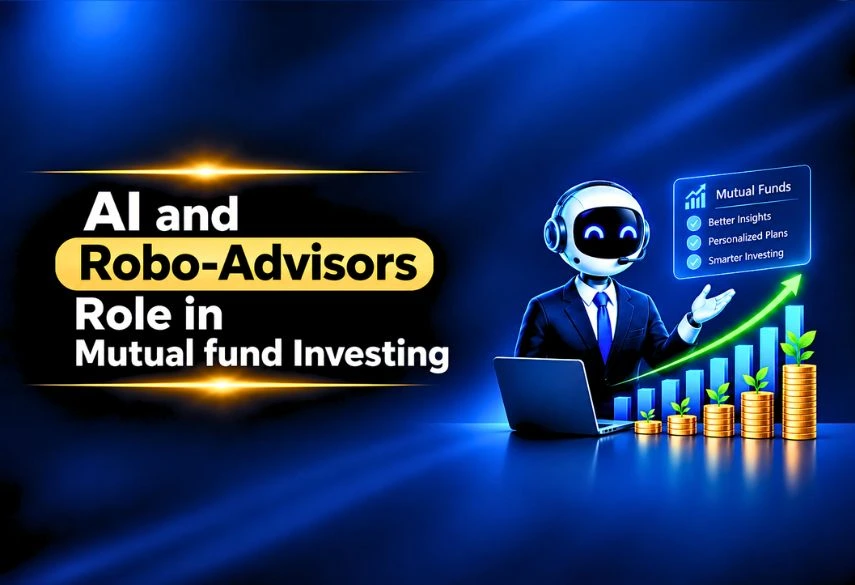
If you want simple, low-cost, hands-off investing in mutual funds and ETFs without hiring an expensive human advisor, start with a robo-advisor. These digital platforms use AI and algorithms to build, rebalance, and optimize your portfolio automatically based on your goals and risk tolerance. They make professional-level automated investing available to beginners and experienced investors alike at a fraction of traditional costs.
Robo-advisors have transformed how everyday people access mutual funds, index funds, and ETFs. Instead of picking funds yourself or paying 1% or more for a human advisor, you answer a few questions about your age, goals, and comfort with risk. The platform then creates a diversified portfolio-usually of low-cost index funds and ETFs-and handles the rest: portfolio rebalancing, tax-loss harvesting, and ongoing AI portfolio management.
What Exactly Are Robo-Advisors?
A robo-advisor (also called a digital financial advisor or online investment advisor) is software that manages your investments using algorithms and artificial intelligence. You deposit money, and the system invests it according to modern portfolio theory principles. Most focus on passive investing through index funds and ETFs rather than trying to beat the market with active stock picking.
Popular platforms in 2026 include Wealthfront, Betterment, Fidelity Go, and Vanguard Digital Advisor. These tools democratized access to strategies once reserved for wealthy clients.
How AI Powers Modern Robo-Advisors and Mutual Fund Selection
AI has taken robo-advisors far beyond simple questionnaires. Machine learning models analyze market data, economic indicators, and even sentiment to refine asset allocation. Some platforms now use AI for more sophisticated tax-loss harvesting, risk assessment, and personalized adjustments.
Beyond pure robo platforms, AI is also influencing mutual fund and ETF selection itself. AI-powered mutual funds and AI-enhanced ETFs use algorithms to scan vast datasets-financial statements, news, earnings calls, and more-to identify opportunities faster than traditional methods. While fully AI-managed funds remain a small part of the market, many traditional managers now incorporate AI tools for research and risk management.
This shift supports passive investing while adding intelligent overlays. Robo-advisors typically stick to broad index funds and ETFs for core holdings because decades of evidence show that low-cost passive strategies outperform most active managers over long periods after fees.

Mutual Funds vs ETFs in Robo Portfolios
Robo-advisors mostly use ETFs (exchange-traded funds) rather than traditional mutual funds. ETFs trade like stocks throughout the day, often have lower expense ratios, and are more tax-efficient. Mutual funds are priced once daily and can sometimes carry higher costs or minimums.
Many robos also use index funds (both mutual fund and ETF versions) that track broad markets like the S&P 500 or total stock market. The combination of index funds + automatic portfolio rebalancing delivers diversified, low-cost exposure without the need to constantly monitor markets.
Best Robo Advisors 2026: Key Comparison
Here is a clear comparison of leading options based on 2026 data for fees, minimums, and standout features:
|
Robo-Advisor |
Advisory Fee |
Account Minimum |
Tax-Loss Harvesting |
Best For |
Notable Strength |
|
Vanguard Digital Advisor |
~0.15% net (up to 0.20% gross) |
$100 |
Included |
Low-cost index investors |
Lowest ongoing paid fee |
|
Betterment |
0.25% (or $5/month small balances) |
$0 |
Yes (taxable accounts) |
Goal-based planning |
Strong tools + optional human upgrade |
|
Fidelity Go |
$0 under $25,000; 0.35% after |
$10 |
Available at higher balances |
Beginners with smaller accounts |
Free for balances under $25k |
|
Wealthfront |
0.25% |
$500 |
Daily on all taxable accounts |
Tax optimization & hands-off |
Advanced tax-loss harvesting & direct indexing |
(Sources: Aggregated from independent 2026 reviews comparing current pricing and features).
Vanguard Digital Advisor stands out as a top low-cost choice because it leverages Vanguard’s own ultra-low-cost index funds and credits back some revenue, keeping the net fee around 0.15%. Fidelity Go is excellent for beginners starting small since it charges nothing until $25,000. Betterment and Wealthfront both charge 0.25% and excel at automated features, with Wealthfront often praised for daily tax-loss harvesting.
Robo Advisor vs Human Advisor
The biggest difference is cost and scope. A typical human advisor charges around 1% of assets under management (or more), while most robo-advisors charge 0.15–0.35%. On a $100,000 portfolio, that is roughly $250 versus $1,000 per year—money that compounds over decades.
Robo-advisors win on automation, consistency, and accessibility. They rebalance portfolios automatically, perform tax-loss harvesting without emotion, and never panic-sell during market drops. Human advisors add value in complex situations: estate planning, tax strategies involving businesses or concentrated stock, behavioral coaching during big life events, and full financial planning beyond investments.
For most beginners and people with straightforward goals (retirement saving, emergency funds, house down payments), a robo-advisor or hybrid model delivers the majority of investment management value at far lower cost. Many platforms now offer hybrid options where you can talk to a human planner for an extra fee once your balance grows.
Key Benefits of Automated Investing with Robos
Low costs: Lower fees mean more of your money stays invested and compounds.
Automatic portfolio rebalancing: Markets move; your allocation drifts. Robos sell high and buy low automatically to keep risk on target.
Tax-loss harvesting: The system sells investments that have lost value to offset gains elsewhere, potentially improving after-tax returns. Platforms like Wealthfront and Betterment run this daily or frequently.
Discipline: Removes emotional decision-making. You stay invested through volatility.
Accessibility: Many have $0 or very low minimums, making them ideal as a robo-advisor for beginners.
Goal tracking: Set targets (retirement, home, education), and the platform shows progress.
These features make robo-advisors especially powerful for long-term passive investing through index funds and ETFs.
Getting Started as a Beginner
1. Decide your goal and time horizon.
2. Compare fees at your expected balance (Fidelity Go shines under $25k; Vanguard or others as balances grow).
3. Open an account-it usually takes minutes.
4. Answer the risk questionnaire honestly.
5. Fund the account and let the AI portfolio management begin.
6. Review periodically, but avoid constant checking.
Start small if you are new. Even 50–100 monthly contributions build meaningful wealth over time thanks to compounding and low costs.
The Bigger Picture: AI’s Growing Role
AI is not replacing human judgment entirely, but it is making sophisticated tools available to everyone. From daily tax-loss harvesting to better risk models and even AI-assisted fund research, the technology lowers barriers. Traditional mutual fund managers are also adopting AI for data analysis, which can improve research quality industry-wide.
The result is a more efficient, accessible investing landscape. Passive strategies remain the foundation for most people, while AI handles the repetitive, data-heavy work of portfolio maintenance.

Conclusion
Robo-advisors have fundamentally changed mutual fund and ETF investing by combining AI portfolio management, automated investing, and low fees. Whether you choose Vanguard Digital Advisor for rock-bottom costs, Fidelity Go as a beginner-friendly free option under $25,000, Betterment for goal planning, or Wealthfront for advanced tax features, the core advantage is the same: professional-grade management without high human-advisor prices.
For most people seeking a digital financial advisor in 2026, a well-chosen robo-advisor delivers strong results through disciplined passive investing, automatic rebalancing, and smart features like tax-loss harvesting. Start simple, stay consistent, and let the algorithms work for you.
(Sources: Moneysimple ,Forbes, Reuters)

DISCLAIMER: This blog is NOT any buy or sell recommendation. No investment or trading advice is given. The content is only for educational purposes. Always discuss with your SEBI-registered financial advisor for investment-related decisions.
Follow this WhatsApp Channel for the latest updates directly on WhatsApp.










.webp "growth-vs-idcw-mutual-fund")