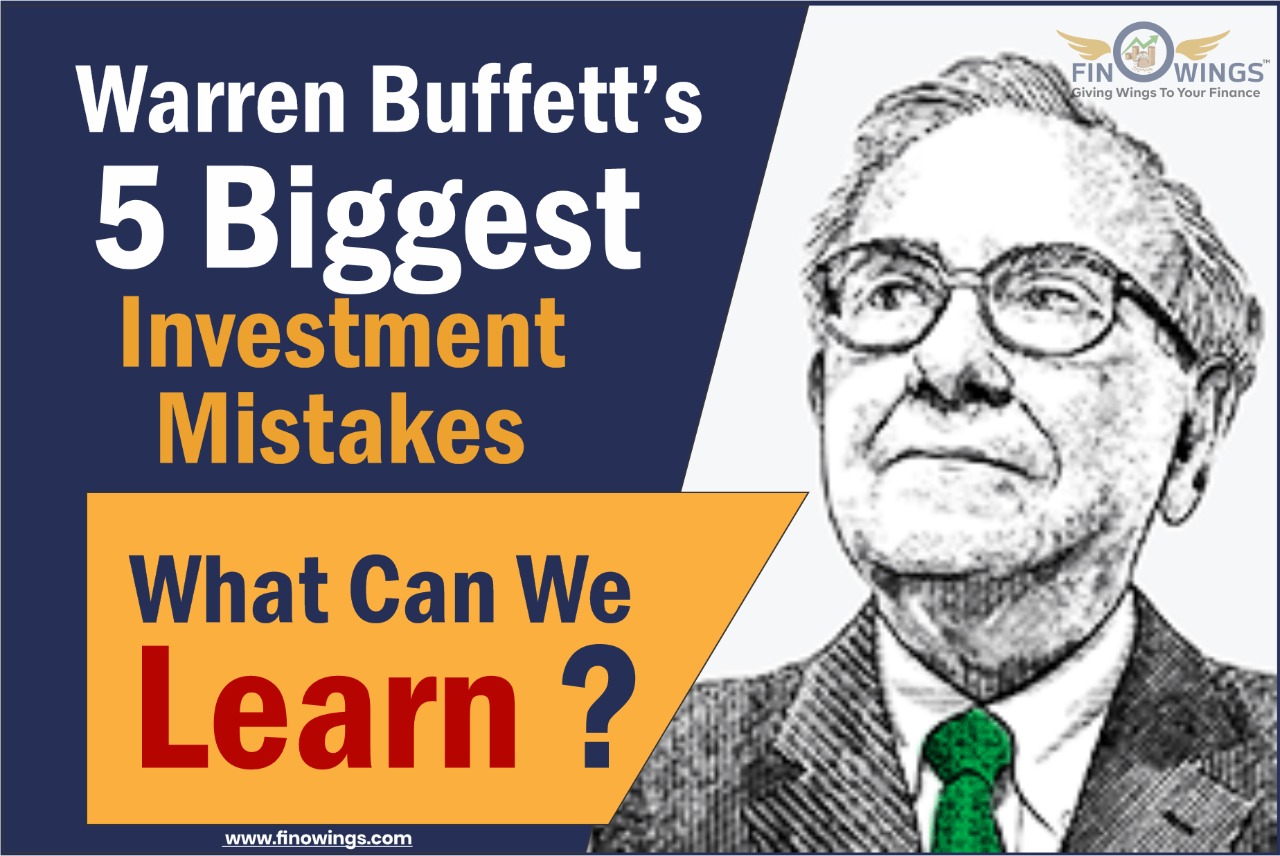
Warren Buffett's five widely acknowledged biggest investing mistakes are: buying ConocoPhillips in 2008 without consulting anyone as oil prices peaked; acquiring Dexter Shoe in 1993 for a competitive advantage that quickly disappeared; delaying the sale of Tesco shares in 2013–14 despite clear warning signs; and missing early opportunities to invest in Amazon and Google because both fell outside his traditional circle of competence.
Who Is Warren Buffett? (Definition / Context)
Warren Buffett, known as the “Oracle of Omaha,” built Berkshire Hathaway from a struggling textile mill into one of the world's largest conglomerates over roughly six decades of value investing. As of early 2026, Forbes places his net worth at approximately $146–149 billion, making him one of the world's ten wealthiest people. Buffett stepped down as Berkshire's CEO on December 31, 2025, handing the role to his long-time deputy Greg Abel on January 1, 2026 — Buffett remains Chairman of the Board.
Buffett has spent decades sharing what he's learned with investors around the world, and one of his most consistent messages is that even great investors make costly mistakes. In his own words across various shareholder letters, he has repeatedly owned up to specific misjudgments rather than glossing over them — and he has often said it's wiser to learn from other people's mistakes than to repeat them yourself. Here are five of Buffett's biggest acknowledged investing mistakes, what went wrong in each, and the lessons every investor — including those building portfolios in India — can take from them.
1. ConocoPhillips — Investing Without Consultation
In 2008, with oil trading near $150 a barrel, Buffett built a large ConocoPhillips position for Berkshire Hathaway's portfolio, betting on continued strength in energy prices. He made the call without consulting his longtime business partner Charlie Munger or anyone else on the team. Energy prices then fell sharply in the second half of the year, and the stock followed, leaving Berkshire with a multibillion-dollar loss. In his 2008 letter to shareholders, Buffett later acknowledged he “did not anticipate a dramatic drop” in oil and gas prices.
Lesson Learned:
Even a legendary investor benefits from a second opinion before making a major bet. Buffett's mistake also illustrates the risk of trying to predict commodity prices, currencies, or any single macro variable — these are notoriously difficult to call, even for experts.
2. Dexter Shoe Company — No Sustainable Competitive Advantage
In 1993, Buffett acquired the Dexter Shoe Company for $433 million — paid entirely in Berkshire Hathaway stock rather than cash. That decision compounded the damage: those shares would go on to be worth billions of dollars. Dexter's manufacturing edge was quickly eroded by low-cost overseas competition, particularly from China, and the business's earnings collapsed within a few years before the operation eventually shut down. Buffett has called it his worst deal, later writing that “what I had assessed as a durable competitive advantage vanished within a few years,” and estimating the true cost to Berkshire shareholders at roughly $3.5 billion once the value of the stock given up is included.
Lesson Learned:
Always test whether a company's edge is truly durable before investing. A business can look highly profitable today and still be vulnerable if it lacks a moat — a real, sustainable advantage — that protects it from cheaper competitors. High profits without a moat tend to attract competition that erodes those very profits.
3. Tesco — Delayed Decision-Making
Tesco is a UK-based grocery chain that Berkshire Hathaway first invested in during the mid-2000s. By the end of 2012, Berkshire held 415 million Tesco shares, a position worth about $2.3 billion. As concerns about Tesco's management grew through 2013, Buffett sold roughly a quarter of the stake for a modest profit — but held on to the rest. Tesco's problems deepened through 2014 amid an accounting scandal and falling market share, and the stock lost nearly half its value before Berkshire finally exited the position entirely. In his 2014 letter to shareholders, Buffett admitted he “made a big mistake with this investment by dawdling,” disclosing an after-tax loss of $444 million.
Lesson Learned:
Buffett's error wasn't buying Tesco — it was delaying the exit despite reading the warning signs clearly. The broader lesson is to act with conviction: just as you shouldn't invest without confidence in a business, you shouldn't keep holding a position once that confidence is gone.
4. Amazon — Staying Outside the Circle of Competence
In 2017, Buffett admitted he had followed Amazon for years without ever investing in it — a mistake of omission rather than commission. He said he had long admired the company but hadn't grasped the power of its business model early enough, and that the price always seemed to reflect that power by the time he paid attention, calling it “one I missed big time.” Buffett underestimated Amazon on two fronts: its dominance in e-commerce, and the scale of its cloud computing arm, Amazon Web Services.
Lesson Learned:
Buffett has long avoided businesses he doesn't fully understand — a discipline that protects him from bad bets but can also mean missing great ones. The lesson isn't to abandon that discipline, but to actively expand your circle of competence over time, or to partner with people whose expertise complements your own.
5. Google — A Missed Opportunity Close to Home
Berkshire Hathaway's portfolio has never held Alphabet (Google) stock, something Buffett has said he deeply regrets. His interest in Google was sparked from an unusual angle: Berkshire-owned insurer GEICO relied heavily on Google's advertising platform to acquire customers, giving Buffett a front-row view of the business. At Berkshire's 2017 annual shareholders meeting, he told investors he'd made a mistake years earlier by not buying Google shares, despite having a clear vantage point into how valuable the business was becoming.
Lesson Learned:
Buffett's caution around technology businesses he didn't fully understand cost him here too. The broader takeaway is to pay close attention to opportunities that are, quite literally, sitting inside your own portfolio's supply chain or customer base — sometimes the best ideas are the ones already visible to you.
How Indian Investors Can Apply These Lessons
|
Buffett's Mistake |
Application for Indian Investors |
|
Acting alone on a big bet (ConocoPhillips) |
Get a second opinion — ideally from a SEBI-registered investment advisor — before committing a large sum to a single stock or sector |
|
Overestimating a moat (Dexter Shoe) |
Before investing in an Indian manufacturer, assess whether its advantage can survive import competition, e.g. from China, or domestic disruption |
|
Delaying an exit (Tesco) |
Watch for the behavioural “disposition effect” — the tendency to hold losing positions too long hoping for a recovery — and set clear exit rules in advance |
|
Avoiding unfamiliar sectors entirely (Amazon) |
Build understanding of high-growth Indian sectors (fintech, platform businesses, EVs) gradually instead of avoiding them outright |
|
Missing an opportunity in plain sight (Google) |
Pay attention to suppliers, platforms, or partners that companies you already track depend on — useful investment ideas often sit one step away |

Conclusion
Warren Buffett is, as he'd be the first to admit, only human — and his career includes some genuinely costly mistakes alongside its legendary successes. What sets him apart isn't a flawless record; it's his willingness to name his errors publicly, explain what went wrong, and extract a clear lesson from each one. From acting without consultation on ConocoPhillips to sitting out Amazon and Google for years, each mistake maps to a specific, avoidable pattern in decision-making.
For everyday investors — in India or anywhere else — the takeaway isn't that mistakes are avoidable, but that they're survivable and instructive when you analyze them honestly. Building the habits Buffett himself struggled to follow — consulting trusted advisors, testing for real competitive advantages, acting decisively, and staying open to unfamiliar but understandable opportunities — is a more realistic goal than trying to never be wrong.

DISCLAIMER: This blog is NOT any buy or sell recommendation. No investment or trading advice is given. The content is only for educational purposes. Always discuss with your SEBI-registered financial advisor for investment-related decisions.
Follow this WhatsApp Channel for the latest updates directly on WhatsApp.