Introduction
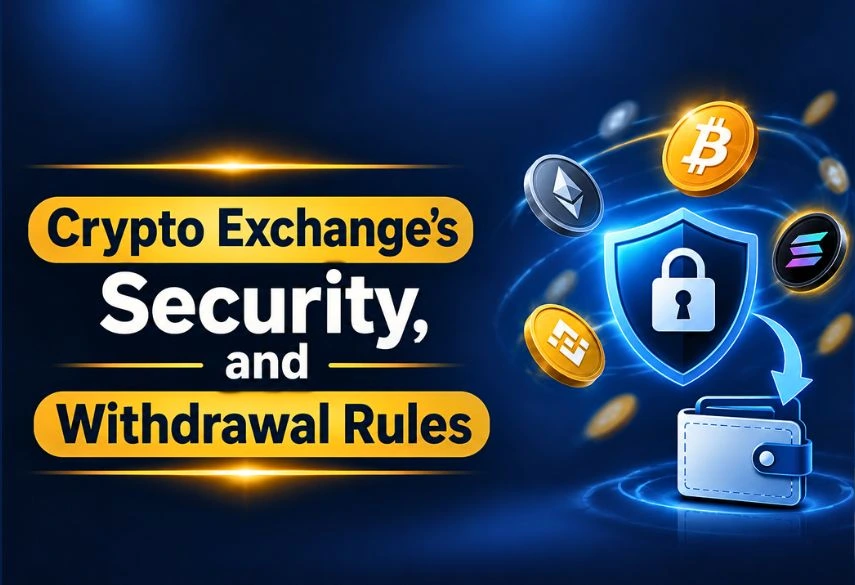
Before choosing a Crypto Exchange, always check three important things: security, custody and withdrawal rules. Look for strong account protection, transparent proof of reserves, secure Cold Wallet storage, clear withdrawal limits and a reliable withdrawal process.
Also check whether the exchange keeps customer funds separate from company funds and explains what happens if it faces financial problems. These checks can help you avoid scams, unexpected withdrawal restrictions and unnecessary risks. Whether you are buying Bitcoin for the first time or regularly involved in Crypto Trading, understanding these factors is essential for protecting your money.
Understand How a Crypto Exchange Works
A Cryptocurrency Exchange is an online platform where users can buy, sell and trade digital assets such as Bitcoin, Ethereum and other cryptocurrencies.
However, not every exchange follows the same security standards. Some platforms provide strong protection and transparent operations, while others may have unclear policies or weak security systems.
Before selecting an exchange, understand these basic functions:
-
Trading: Allows users to buy and sell cryptocurrencies.
-
Wallet services: Helps users store and manage their digital assets.
-
Custody: Explains who controls and protects the private keys associated with crypto assets.
-
Withdrawals: Allows users to transfer cryptocurrencies from the exchange to an external wallet.
-
Security: Protects user accounts, transactions and stored assets.
An important point to remember is that keeping cryptocurrency on an exchange is different from holding it in your personal wallet. When an exchange controls the private keys, you generally depend on its systems and policies to access your funds.
Check Crypto Exchange Security Before Creating an Account
Crypto Exchange Security should be one of your biggest priorities. A platform may offer low trading fees and attractive features, but weak security can put your funds at risk.
Here are some important security features to check.
Two-Factor Authentication (2FA)
Two-factor authentication adds another layer of protection to your account. Instead of depending only on your password, it requires an additional verification step.
For better protection:
-
Enable authenticator-app-based 2FA.
-
Avoid relying only on SMS verification when stronger options are available.
-
Never share OTPs or authentication codes.
-
Use a unique and strong password.
Anti-Phishing Protection
Some exchanges provide anti-phishing codes in official emails. This helps users identify genuine communication from the platform.
Always check the website address before entering login details. Fake websites can look almost identical to genuine cryptocurrency platforms.
Withdrawal Address Whitelisting
This feature allows users to withdraw funds only to previously approved wallet addresses.
For example, if you regularly transfer Bitcoin to your personal wallet, you can add that address to the exchange's approved list. Some platforms also apply a security waiting period before allowing withdrawals to newly added addresses.
Login and Transaction Alerts
Choose an exchange that sends notifications about new logins, password changes, withdrawals and unusual account activity. These alerts can help you identify suspicious activity quickly.
Understand Crypto Custody and Where Your Funds Are Stored
Crypto Custody refers to how digital assets and their private keys are stored, managed and protected. When you deposit cryptocurrency into an exchange, you should understand whether you control the private keys or the exchange manages them on your behalf. There are two common custody models.
A. Hot Wallet Storage
A Hot Wallet is connected to the internet. It allows exchanges and users to process transactions quickly.
Advantages:
-
Easy access to funds.
-
Faster deposits and withdrawals.
-
Convenient for regular trading activities.
Risks:
-
Greater exposure to online attacks.
-
Can become a target for hackers.
-
Security depends heavily on the platform's protection systems.
B. Cold Wallet Storage
A Cold Wallet keeps private keys offline, reducing exposure to internet-based attacks. Many exchanges use cold storage to protect a large portion of customer assets while keeping a smaller amount in hot wallets for regular withdrawals.
A Hardware Wallet is a physical device designed to keep private keys secure. It is one common option for personal cold storage. However, cold storage does not eliminate every risk. Physical theft, device damage and lost recovery phrases can also result in permanent loss of funds.
Hot Wallet vs Cold Wallet: Key Differences
|
Feature |
Hot Wallet |
Cold Wallet |
|
Internet Connection |
Connected |
Generally Offline |
|
Security Exposure |
Higher Online Exposure |
Lower Online Exposure |
|
Transaction Speed |
Generally Faster |
May Require Additional Steps |
|
Accessibility |
Convenient |
Less Convenient |
|
Best Suited For |
Regular Transactions |
Long-Term Storage |
|
Main Risk |
Online Attacks |
Physical Loss or Damage |
What should you ask for an exchange?
1. What percentage of customer assets is kept in cold storage?
2. Who controls the private keys?
3. Does the exchange use multi-signature security?
4. Are private keys protected through secure access controls?
5. Does the exchange use third-party custodians?
A reliable platform should provide clear information about its custody arrangements instead of making vague security claims.
Check Proof of Reserves Before Trusting an Exchange
Proof of Reserves (PoR) is a method used by cryptocurrency exchanges to demonstrate that they hold certain crypto assets against customer balances.
It can help users understand whether an exchange has disclosed evidence of its asset holdings. However, simply seeing a Proof of Reserves report does not mean an exchange is completely safe.
For example, an exchange may show that it holds Bitcoin worth $100 million. But if its customer liabilities are worth $150 million, the disclosed assets alone do not establish that it can meet its obligations.
The SEC has also warned that Proof of Reserves may provide only a limited snapshot and may not reveal all liabilities or activities involving customer assets.
Read Crypto Exchange Withdrawal Rules Carefully
One of the most important things to check before choosing a Crypto Exchange is its withdrawal policy. An exchange may allow you to buy and sell Bitcoin easily, but withdrawing your assets could involve additional conditions, fees or waiting periods.
Always read the withdrawal rules before depositing a large amount.
Important Withdrawal Rules to Check
1. Withdrawal Limits
Check the minimum and maximum withdrawal limits. Some exchanges impose daily or monthly limits depending on account verification and security requirements.
2. Withdrawal Fees
Different cryptocurrencies and blockchain networks have different transaction fees. Check whether the exchange charges a fixed fee or adjusts it according to network conditions.
3. Processing Time
Understand how long withdrawals usually take. Some transactions are processed quickly, while others may require additional security checks or blockchain confirmations.
4. Network Availability
Check whether the exchange supports the blockchain network you want to use.
For example, sending USDT through the wrong network can result in lost funds if the receiving wallet does not support that network.
5. Withdrawal Restrictions
Some platforms may temporarily restrict withdrawals after password changes, suspicious login attempts, new device access or address changes.
Understand these conditions before transferring your money.
Crypto Withdrawal Checklist
|
Evaluation Factor |
What Good Looks Like |
|
Security |
2FA, Withdrawal Protection and Login Alerts |
|
Custody |
Transparent Cold Storage Arrangements |
|
Proof of Reserves |
Regular, Independently Verified Disclosures |
|
Withdrawals |
Clear Limits, Fees and Processing Times |
|
Fund Protection |
Clear Customer Asset Policies |
|
Compliance |
Applicable Regulatory Requirements Followed |
|
Customer Support |
Accessible and Responsive Support |
|
Transparency |
Clear Terms, Fees and Risk Disclosures |
Verify the Exchange's Regulatory and Compliance Status
Regulatory compliance is another important factor when selecting a Cryptocurrency Exchange.
Check whether the platform follows applicable rules in your country, including customer verification, anti-money laundering requirements and transaction reporting obligations.
For Indian users, one important check is FIU-IND registration.
Under India's Prevention of Money Laundering Act framework, specified Virtual Digital Asset Service Providers must register with FIU-IND as reporting entities and comply with applicable AML and CFT obligations.
However, remember that FIU-IND registration is not the same as a government licence, investment approval or guarantee of customer fund safety.The Ministry of Finance has specifically clarified this distinction and warned that crypto products remain highly risky.
Also check whether the exchange provides:
-
Clear KYC requirements.
-
Transparent privacy policies.
-
A physical or legal business identity.
-
Customer support and complaint procedures.
-
Clear information about applicable fees and restrictions.
Do not trust an exchange simply because it claims to be registered or compliant.
Final Checklist Before Depositing Money
Before creating an account or transferring funds, go through this simple checklist.
-
Enable two-factor authentication.
-
Check the exchange's security history.
-
Understand its hot and cold wallet arrangements.
-
Read its Proof of Reserves report.
-
Check whether customer assets are segregated.
-
Understand withdrawal fees and limits.
-
Verify supported blockchain networks.
-
Read custody and lending policies.
-
Check applicable regulatory compliance.
-
Test a small withdrawal before transferring larger funds.
These simple checks can help reduce avoidable risks associated with Crypto Trading.

Conclusion
Choosing a Crypto Exchange requires more research than simply comparing trading fees or checking how many cryptocurrencies it supports. Security, custody and withdrawal policies directly affect how safely you can access and manage your digital assets.
Always understand who controls your private keys, where customer funds are stored, whether reserves and liabilities are transparently reported, and what conditions apply to withdrawals.
A little research before opening an account can help you make a more informed decision and improve your overall Cryptocurrency Safety. Remember, no exchange or Crypto Wallet is completely risk-free, so never invest money you cannot afford to lose.
(Sources:SEC ,FIU-IND ,Government of India ,FATF)

DISCLAIMER: This blog is NOT any buy or sell recommendation. No investment or trading advice is given. The content is only for educational purposes. Always discuss with your SEBI-registered financial advisor for investment-related decisions.
Follow this WhatsApp Channel for the latest updates directly on WhatsApp.