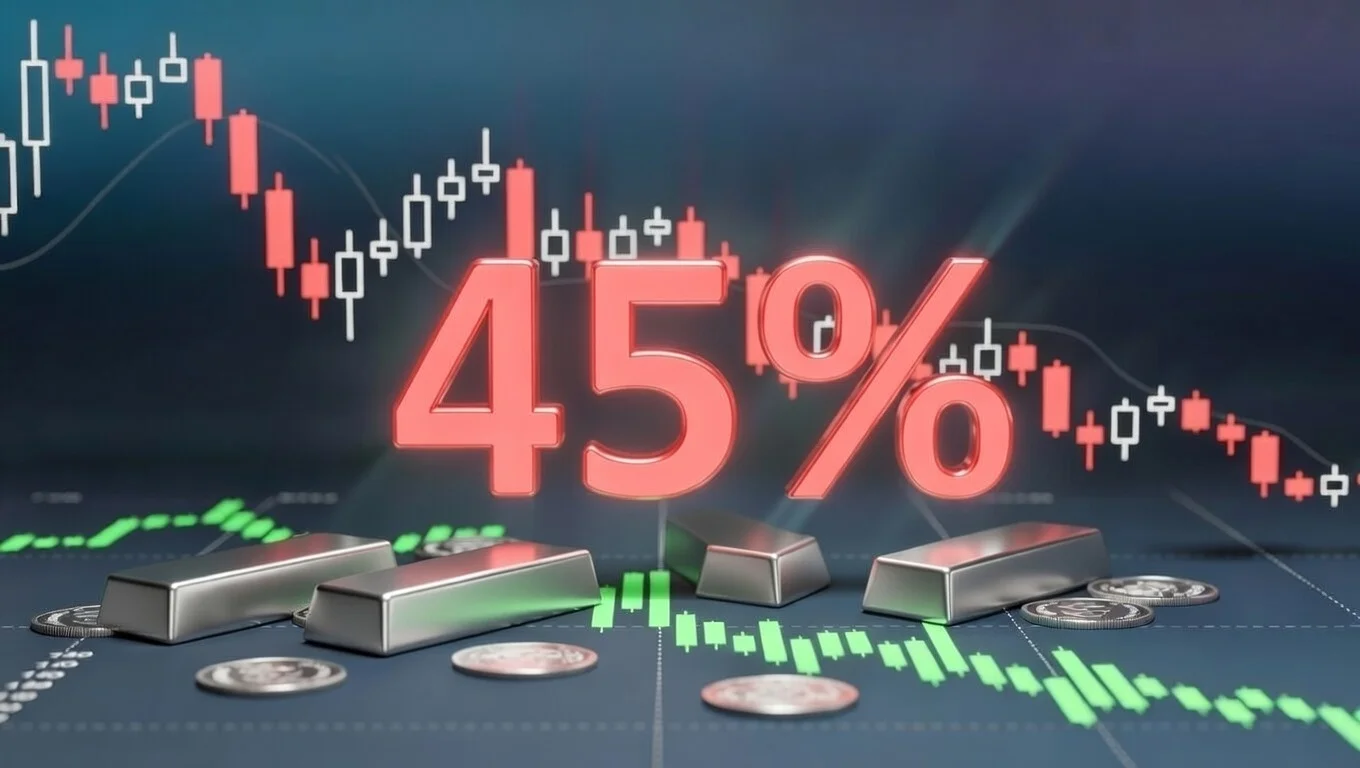
February 2026 is marked by the crash of silver prices in 2026. After a historic silver price rally, silver plummets in price. Dropping 45% over the course of a few weeks, most silver investors who jumped in early 2026 are shocked to see this selloff. Left with the commentator’s question, What is causing the selloff of silver in the early days of 2026?.
Silver market crash in Early 2026 is a crash that is characterised by a reversal of the rally and the precipitating macroeconomic factors that define the speculation and leverage of that crash. From the triggers of the macroeconomic factors, what does this mean for investors in the future? When considering the Why has silver fallen? What are the prevailing risks? What is the silver forecast? This will break down the risks that are involved.
In late 2025 and early 2026, multiple strong reasons contributed to the price surge of silver, including:
- Inflation concerns.
- Increased central bank money supply.
- Decreased confidence in fiat currencies.
- Retail investors, primarily through social media.
- great demand from EV, solar, and electronics industries.
Silver also benefited from the general cycle reverse of precious metals selloff, wherein investors first moved from equities and bonds into safe-haven assets such as gold and silver.
Investing in silver reached a peak in price, alongside gold and other metals, during the harsh inflation of 2022. Analysts considered gold and silver to be safe havens that were "over extended." As a result, the market had become overcrowded, overleveraged, and oversentimental, leading to a sharp correction.
What Triggered The 2026 Silver Price Collapse?
There was no singular cause for the collapse, but multiple reasons contributed simultaneously.
1. Central Banks Liquidity Tightening
A rapid suppression of global liquidity was one of the top reasons why silver fell. The US Federal Reserve and major global banks state the following:
- Interest rates are higher and will remain high for a prolonged period of time.
- Balance sheet expansion will be reduced.
- Market liquidity will continue to be curtailed.
An abundant liquidity environment typically favours precious metals. However, a constrained liquidity environment places all leveraged positions at risk. Due to these conditions, funds and traders were compelled to liquidate positions in silver as a means to mitigate losses in other assets.
The liquidity shock was the first of many catalysts for the collapse in the silver markets.
2. US Dollar Strength and Bond Yields
Because silver is globally traded in US dollars, the strengthening of the US dollar directly leads to a decreasing value of silver, along with other US dollar-denominated commodities.
In the first quarter of 2026, there was a significant rise in US dollar bond yields along with a rise in the dollar index.
With these conditions, investors pivoted from other assets to fixed-income instruments.
With rising yields, the value of holding assets that do not generate yields (like silver) decreased. This sentiment from investors was the final trigger to liquidate positions in precious metals and led to a further downfall in the value of precious metals.
3. Large Liquidations of Leveraged Positions
The derivatives markets likely experienced the most violent liquidations in this crash.
Silver speculation reached new heights, and when prices began to drop, a number of events began to take place:
- Margin calls were triggered.
- Hedge funds and retail investors had to sell.
- Triggering of stoplosses became aggressive.
This situation led to a classic “long liquidation” cycle, where falling prices triggered more unloading, turning a correction into a crash.
This explains the rapid and extreme price drop in the silver crash of 2026.
4. Growing Concerns Regarding Industrial Demand
Silver is not solely a precious metal; it is also used in various industries.
In 2026, several concerns became apparent:
- Manufacturing on a global scale was decelerating.
- Demand for electronics started to plummet.
- Solar installations saw a temporary decline.
When concerns about demand for industrial silver emerged, the price of silver began to decrease due to the anticipated low demand for the metal itself.
5. Booking of Profits Following a Significant Rally
After a prolonged price rally, taking profits became expected.
Silver traders who invested during the years 2024-2025) made more than a 100% profit. Once momentum began to fade:
- Big banks began to take profits.
- Commodity traders began to decrease their positions.
- Momentum traders began to close their positions.
- This added to the broader silver market crash.
Market Psychology
The crash emphasised the significance of Sentiment. During the Rally :
- Headline predictions of shortages of silver.
- Social Media promoting extreme price targets.
- Surge of retail participation.
But when the prices started falling:
- Greed replaced Fear.
- Retail Panic.
- Silver ETF increased outflows.
Psychology of the Market amplifies both Rally and Crash, and the silver price crash 2026 was a perfect example
Are There Other Precious Metals Sell Off?
Yes. Silver did not fall alone. Gold, platinum and the other metals also declined, silver’s drop was more severe due to its higher volatility. Silver is often described as a “high-beta gold”. When the precious metals rise, silver rises more, and when the precious metals fall, silver also tends to fall sharply. The precious metals sell offindicates:
- Higher Real Interest Rates
- Rotation into Equities and Bonds
Silver Investment Risks: Lessons From the Crash
Investors, 2026 collapse highlights silver investment risks.
1. High Volatility
Silver is far more volatile than Gold. Large price swings can happen quickly, especially when speculative positioning is high.
2. Leverage Risk
With futures and margin trading, both potential profits and losses are heightened. Investors suffering forced liquidation have lost a considerable amount of money.
3. Dual Nature Risk
Silver has two characteristics:
- Safehaven (precious metal).
- Industrial metal (cyclical demand).
- Because of this, it becomes more exposed to a recession.
4. Sentiment Risk
When a narrative lacks a basis in fundamental factors, a market becomes brittle. Sentiment can shift negatively far more quickly. The 2026 crash was a prime example.
What Is the Silver Outlook After the Crash?
The long-term silver outlook has many factors that are debatable but the most recent decline has certainly added to that.
Bullish Factors
- Increased demand from the EV and renewable energy industries.
- Long-term inflation concerns.
- Central bank policies are expected to ease in the future.
- Supply disruptions in mining.
Bearish Risks
- Prolonged high interest rates
- Strong US dollar
- Global recession
- Decreased speculative activity.
Silver has been expected to be more volatile for the time being, but most believe it may stabilise once the market has absorbed the excess leverage from the recent commencement.
Is the Silver Crash a Good Buying Opportunity?
This will ultimately vary depending on the time horizon and risk profile of an investor. Long-term investors may see a sharp correction as an opportunity to accumulate more silver as long as the structural demand story remains the same.
On the other hand, short-term traders may want to exercise caution as, following major crashes, markets usually experience high volatility, sharp rallies and pullbacks, and uncertain trend direction. Therefore, when investing after a silver market crash, risk management becomes imperative.
Key Takeaways From the Silver Price Crash 2026
Numerous factors converged to produce the 2026 collapse in silver prices. These include tightening global liquidity, increasing interest rates and strengthening the dollar, large leveraged liquidations, industrial demand apprehension, profit taking after a prolonged rally, and a broad precious metals selloff. The lesson for investors is that silver can provide exceptional returns, but the silver investment risks are exceptionally high.
Final Thoughts
The silver price crash 2026 illustrates the fact that, as a commodity, silver markets are influenced by a complicated blend of macroeconomics, liquidity, market sentiment, and positioning. In the short term, while global interest rates, the strength of the dollar, and market sentiment are the primary factors that determine price volatility, the long-term demand for silver remains regionally linked to clean energy and industrial growth.
For those looking at the silver outlook, the name of the game is balance: do not chase the hype when it rallies, nor panic when it corrects. Silver is a volatile market, so it is just as important to maintain discipline and strong risk management as it is to make guesses.
The confidence of investors was undoubtedly shaken by the 2026 crash. However, that confidence was a valuable lesson about market cycles. It is important to understand why silver fell to make an informed decision the next time you invest.
Sources:
- https://www.fool.com/investing/2026/02/08/is-silver-headed-for-200-this-year/
- https://finance.yahoo.com/news/silvers-fast-rise-even-faster-135600756.html
- https://www.bullionvault.com/gold-news/gold-price-news/silver-slv-squeeze-gold-rally-020620261
- https://www.businessinsider.com/gold-silver-price-crash-outlook-buy-the-dip-analyst-predictions-2026-2
- https://bulliontradingllc.com/blog/gold-and-silver-price-crash-january-2026
- https://www.reuters.com/markets/commodities/specter-warsh-fed-sparks-precious-metals-debasement-crash-2026-02-02/

DISCLAIMER: This blog is NOT any buy or sell recommendation. No investment or trading advice is given. The content is purely for educational and information purposes only. Always consult your eligible financial advisor for investment-related decisions.